Ed Reyes
Who Makes Decisions? And for Whom?
Written and photographed by Robin Fong
Before LA State Historic Park (LASHP) was a park it was a railyard. And before Ed Reyes was a councilmember, he was jumping fences and running through railyards on both sides of the Los Angeles River, maneuvering between train cars and navigating life as a teenager in Cypress Park and Lincoln Heights.
Reyes’s childhood was shaped by the realities of an urban landscape: gang territories, freight trains, smoke-filled air, and industrial developments that made the people living there feel like an afterthought. Those experiences would eventually inform his decision to run for office. He would become a policy maker whose philosophy revolved around the idea that the physical form of a neighborhood – its streets, sidewalks, and infrastructure – had a profound effect on the people who lived there. As a councilmember, he would back the creation of LASHP, and dream of a better future for the people who walked the same streets he grew up on.
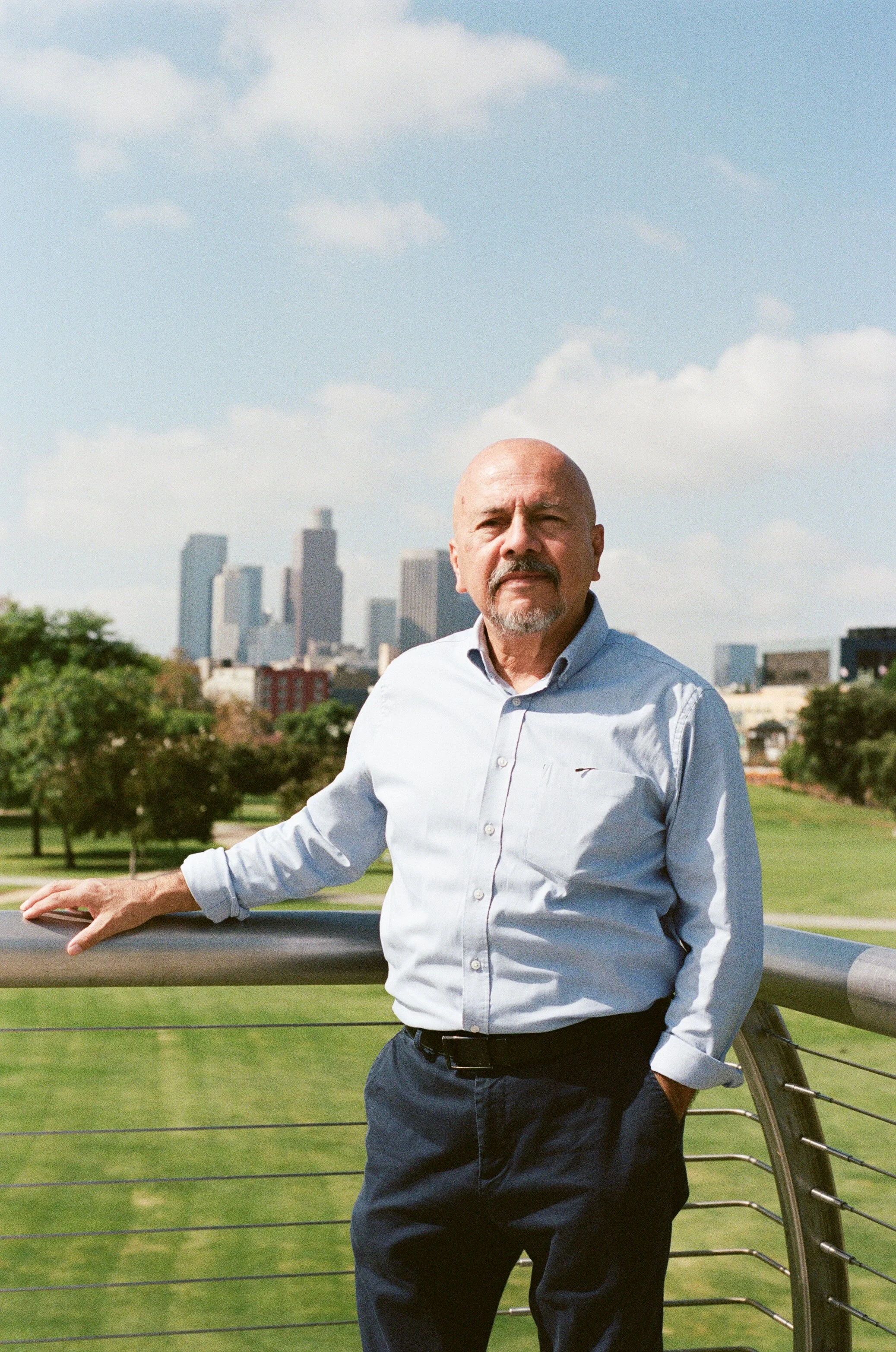
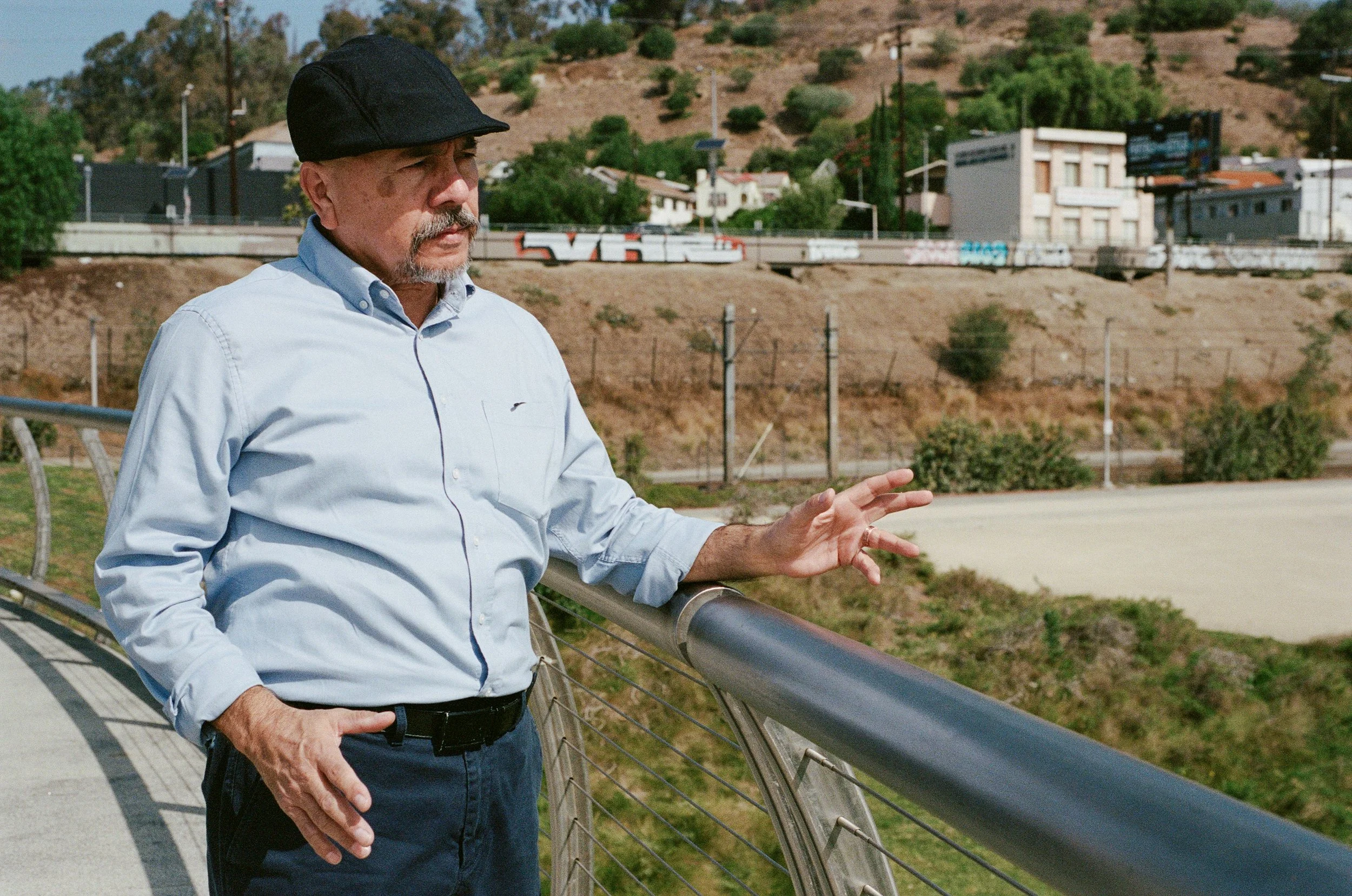
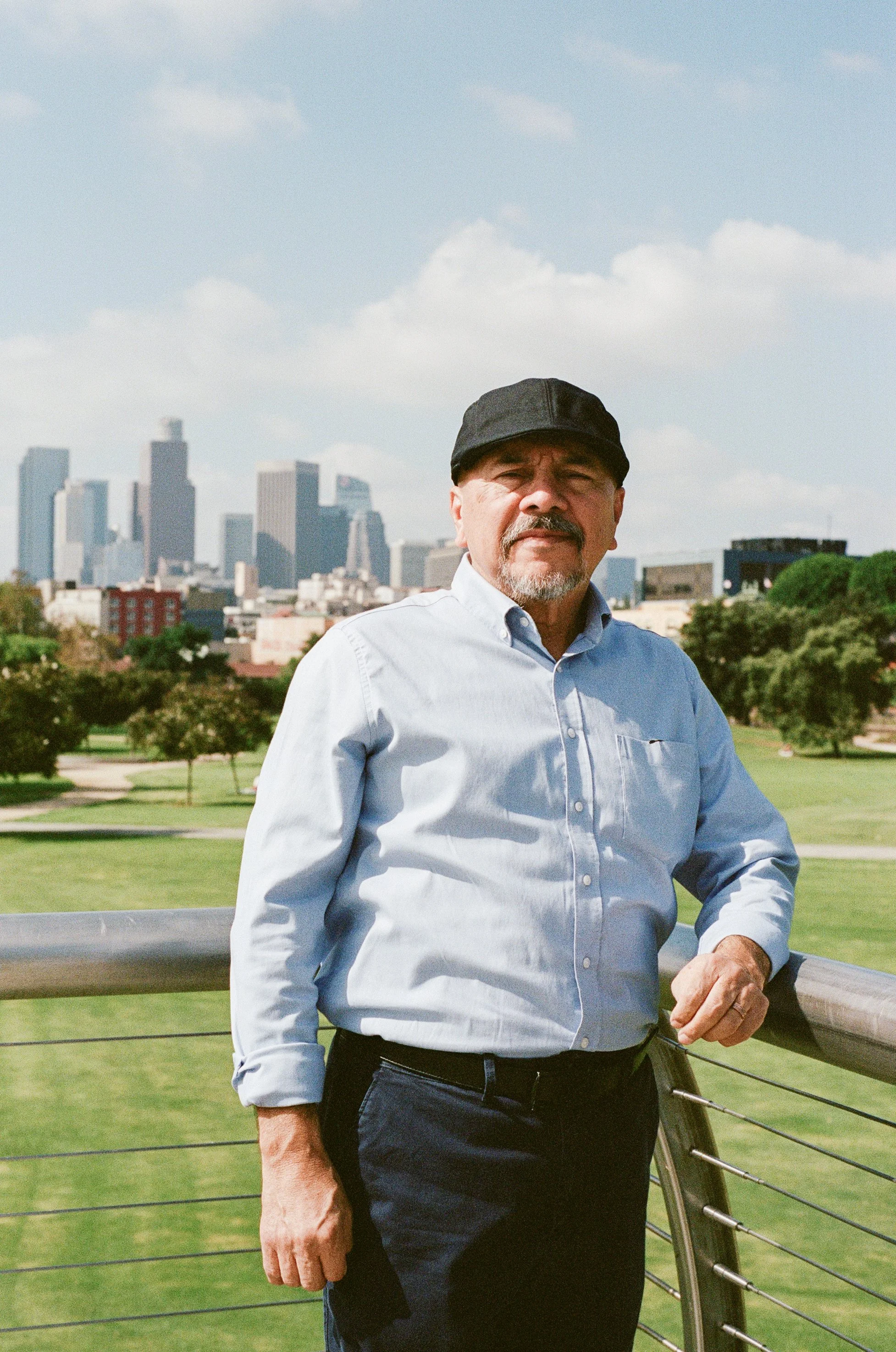
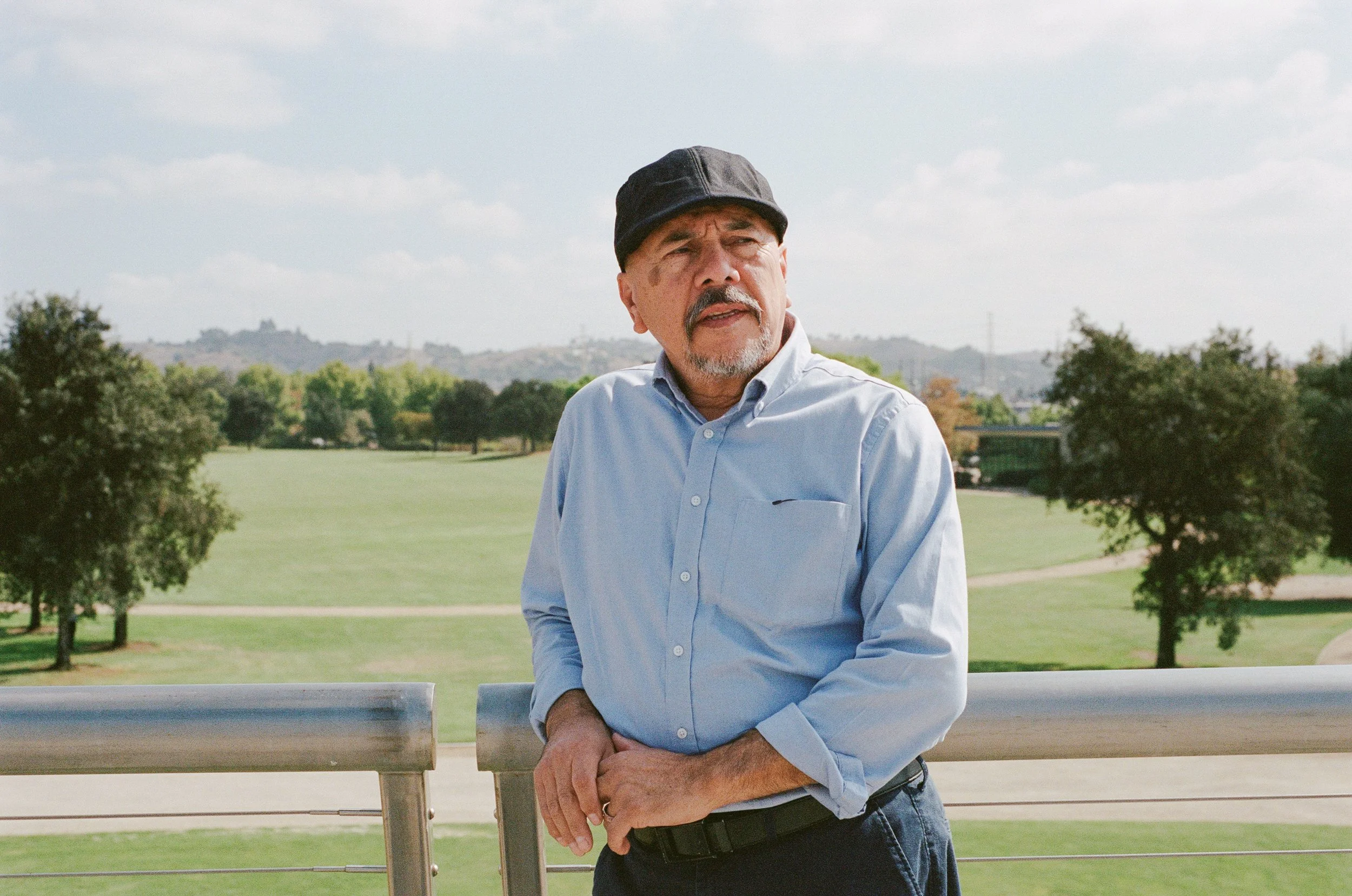
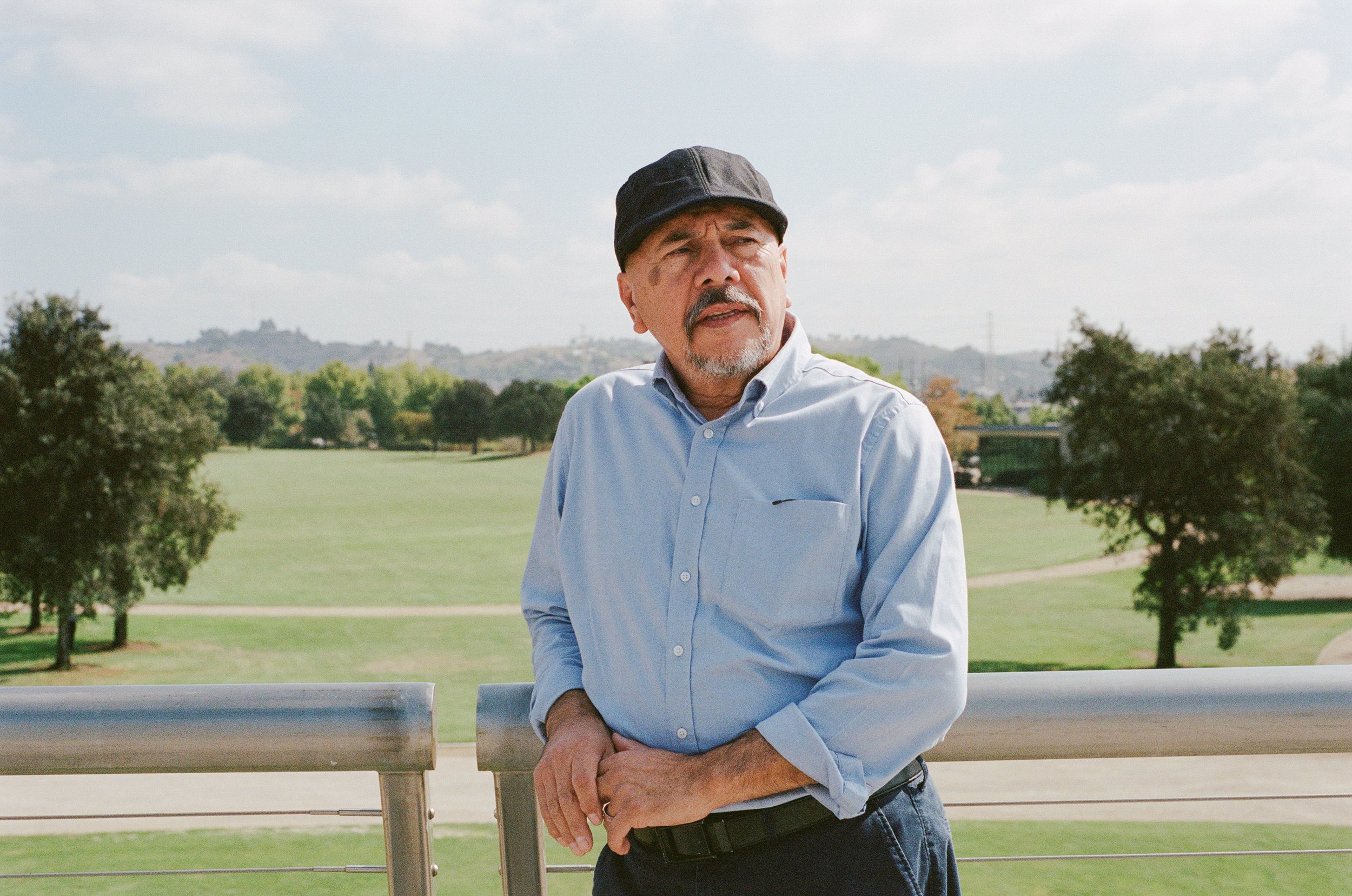
Reyes grew up to Mexican immigrant parents who became naturalized citizens after an extensive process. His parents held multiple jobs and raised their family in a small, single bedroom household – a story that mirrors many other families of Northeast Los Angeles. His community was often the target of environmental racism.
“It got to a point in the '70s, where there were certain days we couldn't even go outside,” he says. “It was so polluted and contaminated. The communities of color were relegated to these locations.”
The disparities between his neighborhood and others in LA became apparent whenever Reyes would leave its confines. While attending the University of California, Los Angeles, he commuted from Cypress Park to Westwood. Through the windows of the 7 and the 83 Wilshire bus, he watched the landscape change. Lawns became greener. Sidewalks became less broken. The spaces between houses widened.
“You had people actually in the shade waiting for the bus!” Reyes remarks.
The contrast led Reyes to question how resources were distributed across the city and who had a role in making those decisions.
“Who made decisions to allow this kind of bifurcation? Who gets ignored when these decisions are made?”
Those questions became central to Reyes’s work in city government. He became chief planning deputy for his predecessor, councilmember Mike Hernandez, where he tackled problems at the intersection of infrastructure, environment, and community health in Council District 1.
It was there that Reyes found himself at odds with the city’s power structure.The city was embracing the construction of a complex of warehouses over the plot of land where freight trains had once run—the Cornfields.
“I could not stomach it.”
There was also growing opposition in Reyes’s community. They wanted the Cornfields to become an open space—a park—not another industrial development that would render the land inaccessible to nearby residents.
Reyes listened to them. And in their demands, he heard something familiar: the story of his own childhood, and the sacrifices his parents had made to give their children a different future.
He saw the potential for the park to become a sanctuary for residents—a place where young kids could run and play safely. More than that, Reyes saw the opportunity for policy makers to build a trusting relationship with a community that had so often been ignored.
“The park was the answer to create this very significant point of relief for the whole area in Northeast. It sends a different message that the people do matter.”
When Reyes ran for city council, he ran a campaign that was in support of building a park. In 2001, Reyes assumed office, and worked to ensure that the park would be built in a manner reflective of the history, culture and desires of the local communities.
Reyes coordinated workshops with state officials to give community members a platform to give input that would shape the park. He attended these workshops himself.
“I spoke to people that literally told me ‘Why are you doing this? No one's ever treated us like this. Why do we deserve this?’ ”
For Reyes, the reaction underscored how unfamiliar meaningful participation in government could be for residents who had long felt overlooked. It broke his heart.
The workshops reinforced his understanding of being an elected representative. Many of the residents that he spoke to had stories growing up in similar industrial environments with concrete as their playground.
“The people that I grew up with were the people that I represented.”
Today, LASHP is a public park bordering many neighborhoods that once had little access to open space. Its development was shaped through a process that included state officials, city government, and community members.
Reyes’s political career has since ended. But his involvement with the park has continued.
Now, he finds himself among his fellow community members once again, asking state officials to consider their voices in decisions about the park’s future—just as he did decades ago.
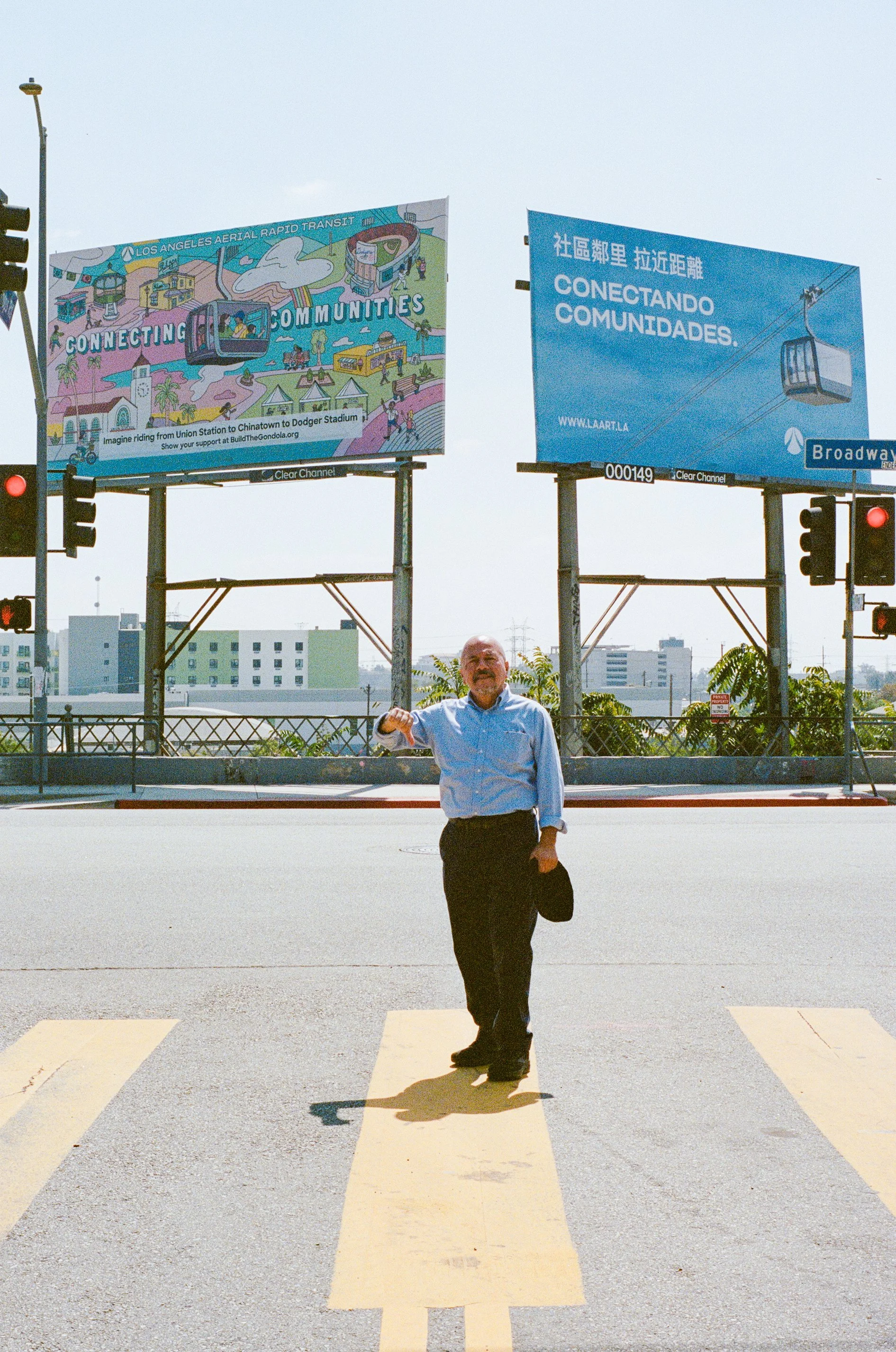
“This park shows what our spirit can do, what our heart has accomplished, and the riches of our culture. Now you want to put a gondola here?”
For Reyes, the proposed gondola represents more than a question about infrastructure. It is a question about the relationship between the people who make decisions and the people who have to live with them.
As councilmember, Reyes pushed for a process that would empower residents and help them determine the future of the land around them. The future of their communities. Today, as a community member, he is asking state officials to apply that same principle to the park’s future.