Sean Woods
What a Park Looks Like When You Build it With Trust
Written and photographed by Robin Fong
In most park planning processes, community engagement is treated as a foundational step. But too often, engagement can become an impersonal procedure: a handful of public meetings, a collection of comments, a box checked before the real planning begins. Meaningful involvement, one where the community genuinely feels that they are building something that belongs to them, requires time. It requires listening. And above all, it requires trust.
Sean Woods, former superintendent of California State Parks, Los Angeles Sector, led with the idea that building a park starts with building relationships. When Woods was placed in charge of the community outreach for building LA State Historic Park (LASHP), he chose a deliberately slow, grass-roots approach – slow, not in the sense of leisure, but rather of sincere intention.
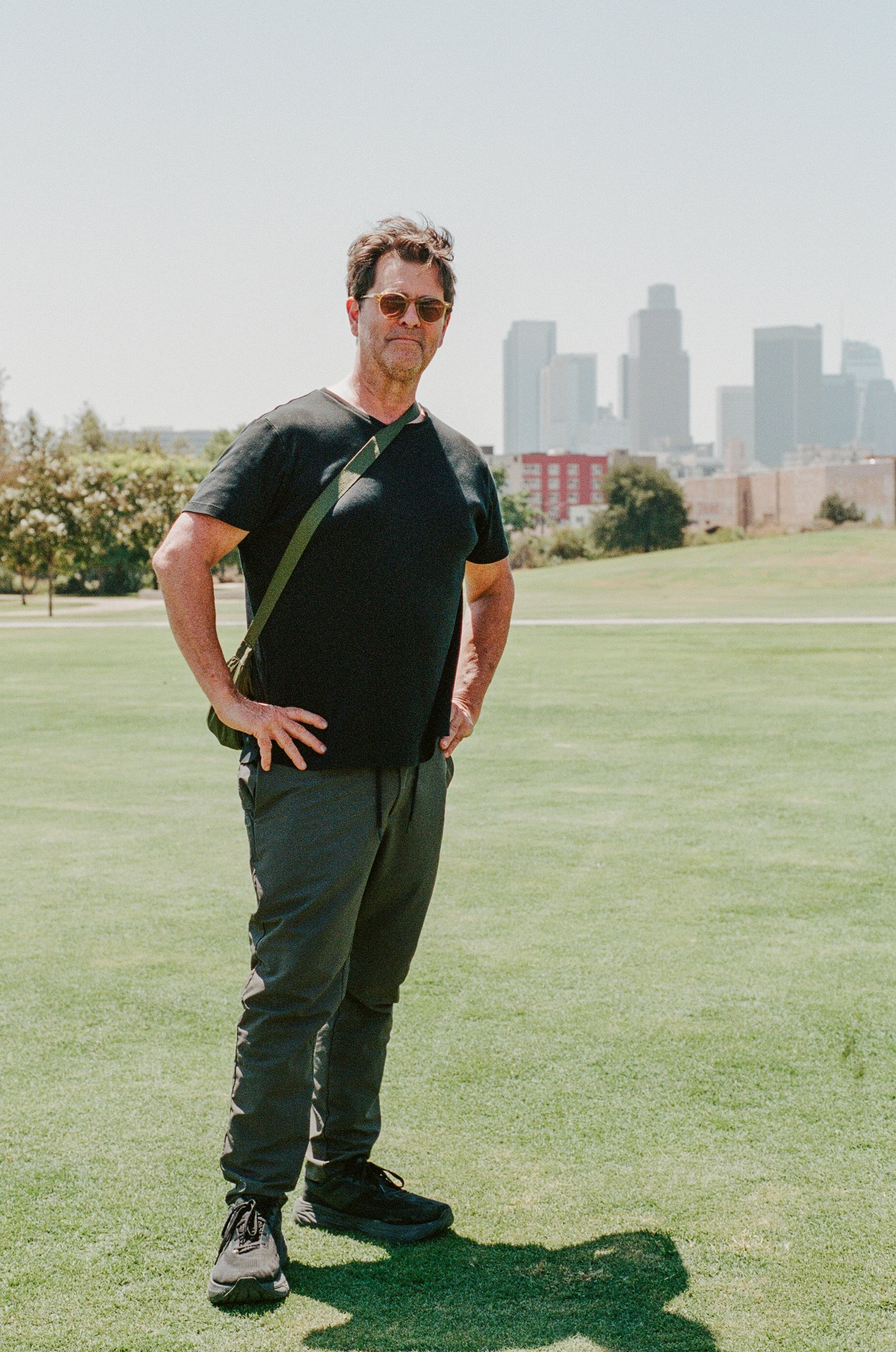
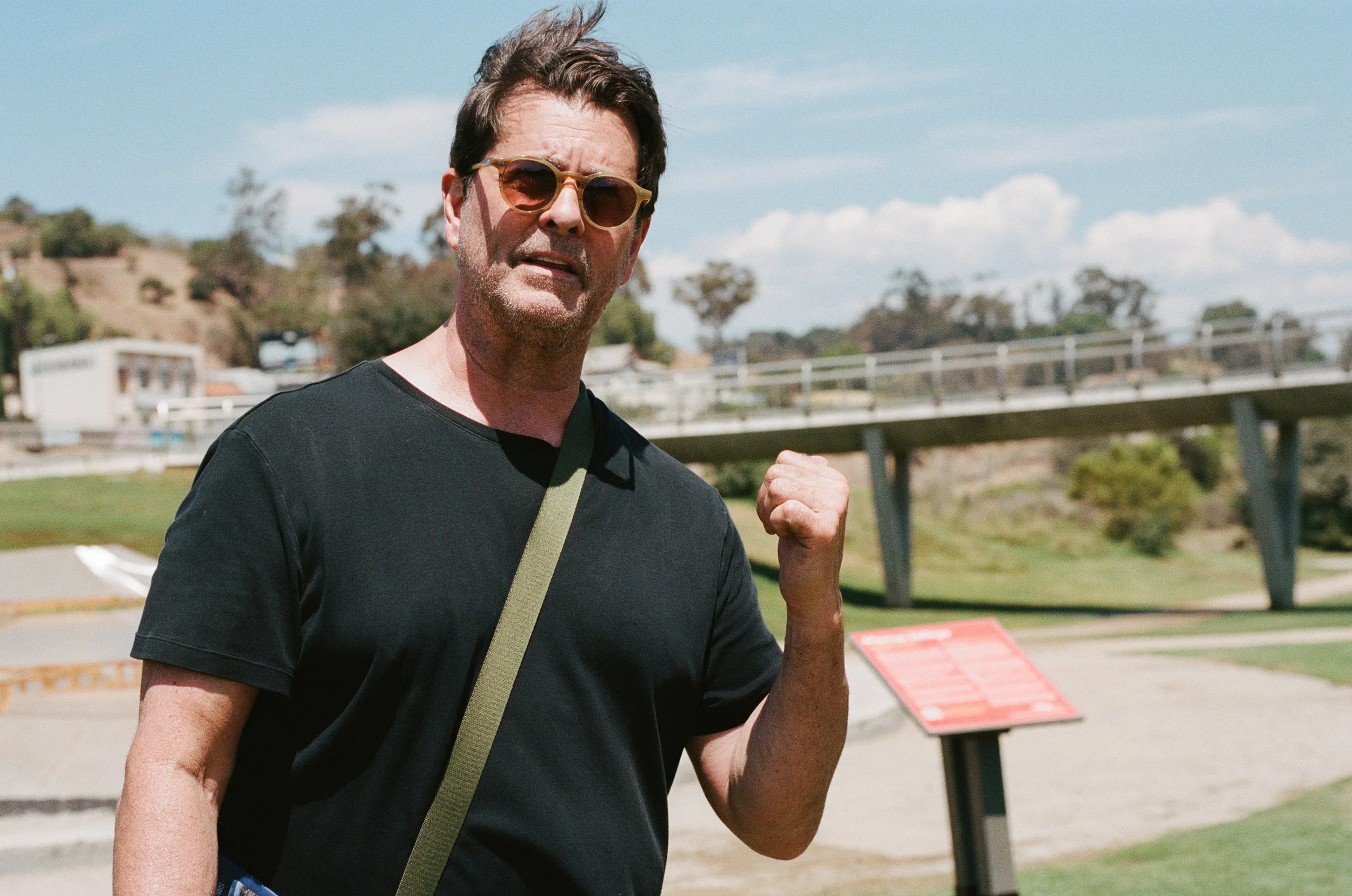
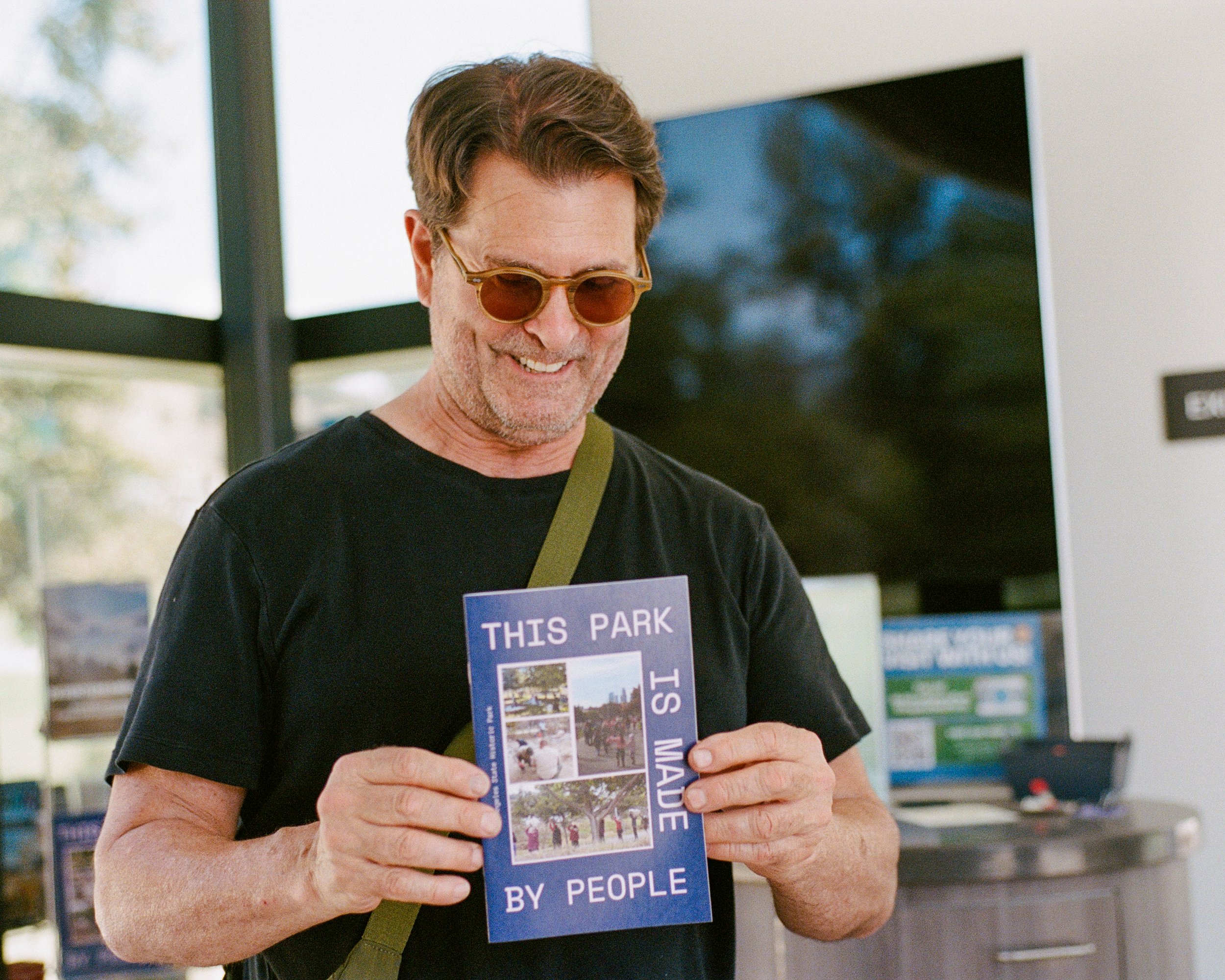
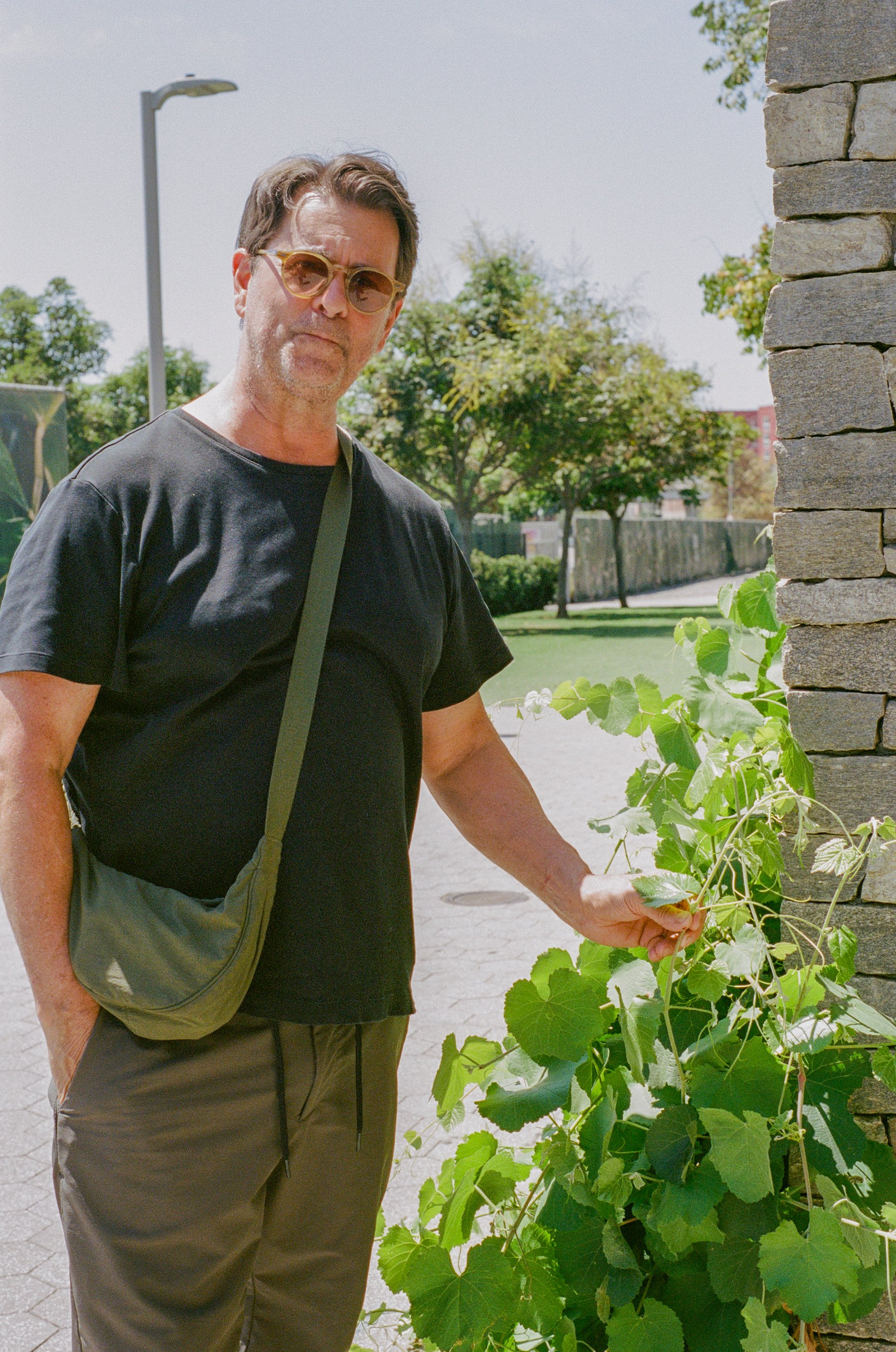
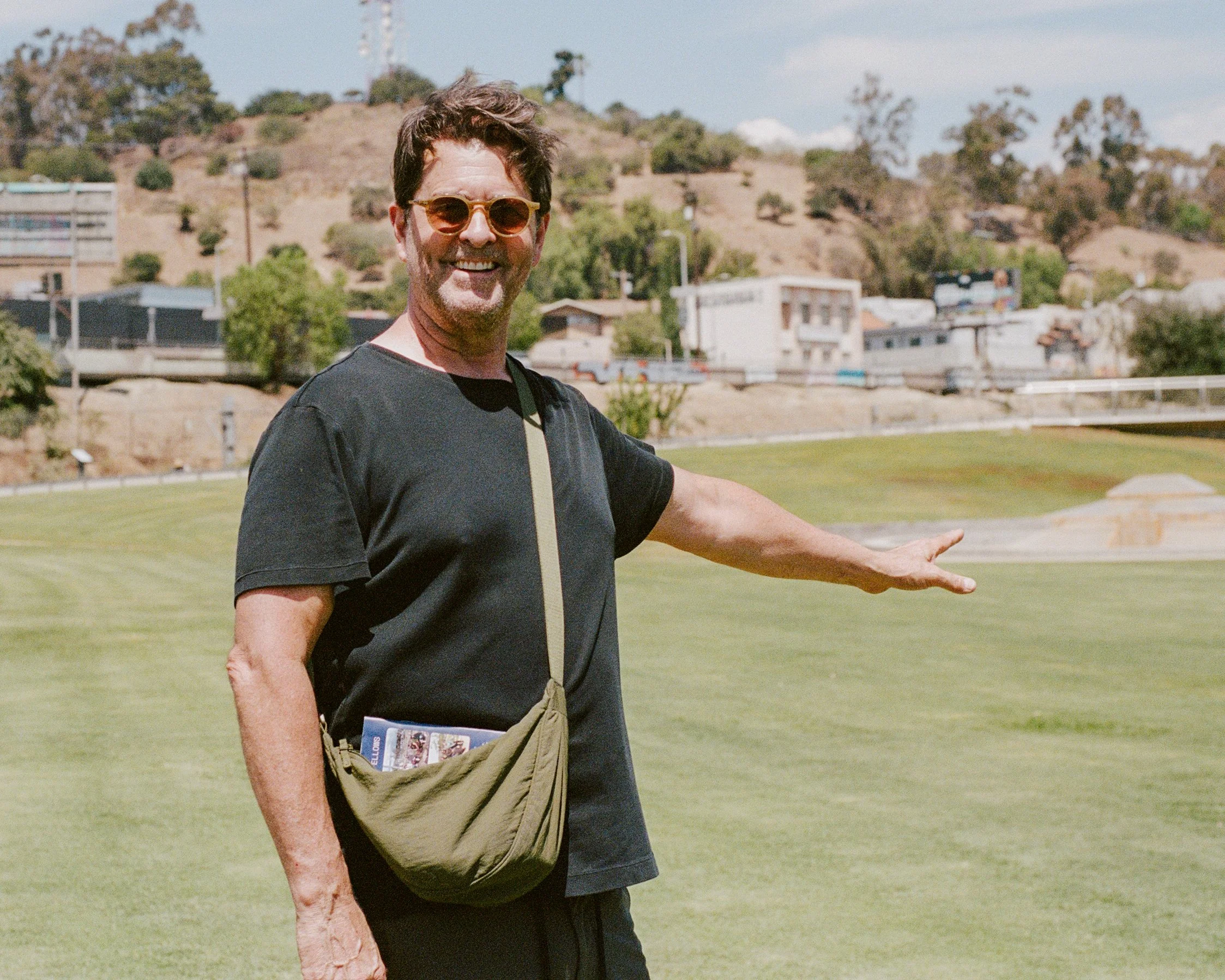
“We were always working under the assumption that you have to move at the speed of trust, and that is a very slow speed,” Woods says.
At the turn of the 21st century, State Parks had just acquired the 32-acre plot of land situated between Chinatown and the LA River, formerly known as the Cornfields. It was a monumental purchase, a promise to the surrounding park-poor communities of an open sanctuary allowing them an escape from the busy city streets. As superintendent, Woods’ would be responsible for working with the people of surrounding neighborhoods to turn the Cornfields into what would eventually become LASHP.
The relationship that Woods was trying to build would not start with a clean slate. Neither the land nor the community existed in a vacuum and the park’s surrounding communities had long memories of displacement and institutional deceit.
“It was the fact that in Chinatown, the people were displaced, and everyone was moved here in the ‘30s. Or that they moved people out of Chavez Ravine in the '40s and '50s. And that this was the site of a lot of environmental racism. That legacy was really fresh and alive when I started here. ”
So, Woods started by doing something deceptively simple: he showed up. He immersed himself in the community, attended public meetings, went to schools, and participated in cultural events – no agenda in hand, no placard or hat bearing his title of superintendent.
“I went to events with organizations with no expectations. Not going there to ask for something. I'm just getting to know people.”
He spent time in Chinatown, Solano Canyon, Lincoln Heights, and the William Mead Housing Project. In Wood's words, he “dived deep.” He showed up with sincerity and authenticity, and before asking residents what they wanted the park to become, he invested time in understanding who they were.
Only after that groundwork was laid, would Woods facilitate the discussions of the Cornfield Advisory Committee, bringing together residents whose backgrounds and neighborhoods reflected the diversity surrounding the site. For nearly a year, Woods and his team listened to residents’ experiences, concerns, and ideas.
Again and again, Woods met with residents.
“I lost count after meeting 65!” he exclaims.
It was a slow process by almost any institutional measure, but that slowness, that intention, was precisely what allowed a sense of ownership to develop within the community.
In these meetings residents developed a vision of LASHP that included programming, public art, and performance spaces that would reflect the Native peoples and immigrant communities that have shaped the greater Los Angeles story. Today, the park is a place where history, heritage, and legacy is not just preserved, but experienced. Moreover, it represents a true collaboration between State Parks and a community that was given a real voice to shape the landscape and infrastructure around them.
“This park is so beloved by people because they put their blood, sweat, and tears into it. I think everybody who was a part of that planning process sees a little piece of themselves in this park.”
For Woods, that story of the park’s creation also informs his concerns about its future.
“To me, the gondola is such a betrayal of the work we did,” he says. “State Parks made deep, heartfelt promises to the community that we would always have their back, that we would be there if there were threats to this precious open space.
To Woods, the proposed gondola is a test of the trust that he worked tirelessly to build. A trust that can not be reduced to a line item in a planning document. A trust that did not end when the ribbon was cut.
Decades later, Woods hopes the work he began at the Cornfields is continued by State Parks. The physical park may have been built, but the relationships behind it continue and will forever be a work in progress.