Jennifer Yee
Somewhere in the Gray, But In (Not Above) a Neighborhood
Written and photographed by Robin Fong
New development in an area with an existing history and culture often walks a thin line between a subjective good and bad, between black and white, and probably always exists in the gray.
Half a decade into the operation of her bakery and Jennifer Yee, owner of Bakers Bench, still feels that she is navigating that gray area.
Yee started Bakers Bench in 2021 out of a kiosk in Chinatown’s Far East Plaza. In 2024, the bakery moved into its own space, a counter service with seating in a tucked away courtyard off of Alpine street – technically in the Victor Heights neighborhood but still serving the customers of Chinatown. The small vegan bakery sells pastries with flavors that are a nod to Yee’s Chinese heritage: shortbread cookies sprinkled with li hing powder and croissants stuffed with a savory eggroll filling.
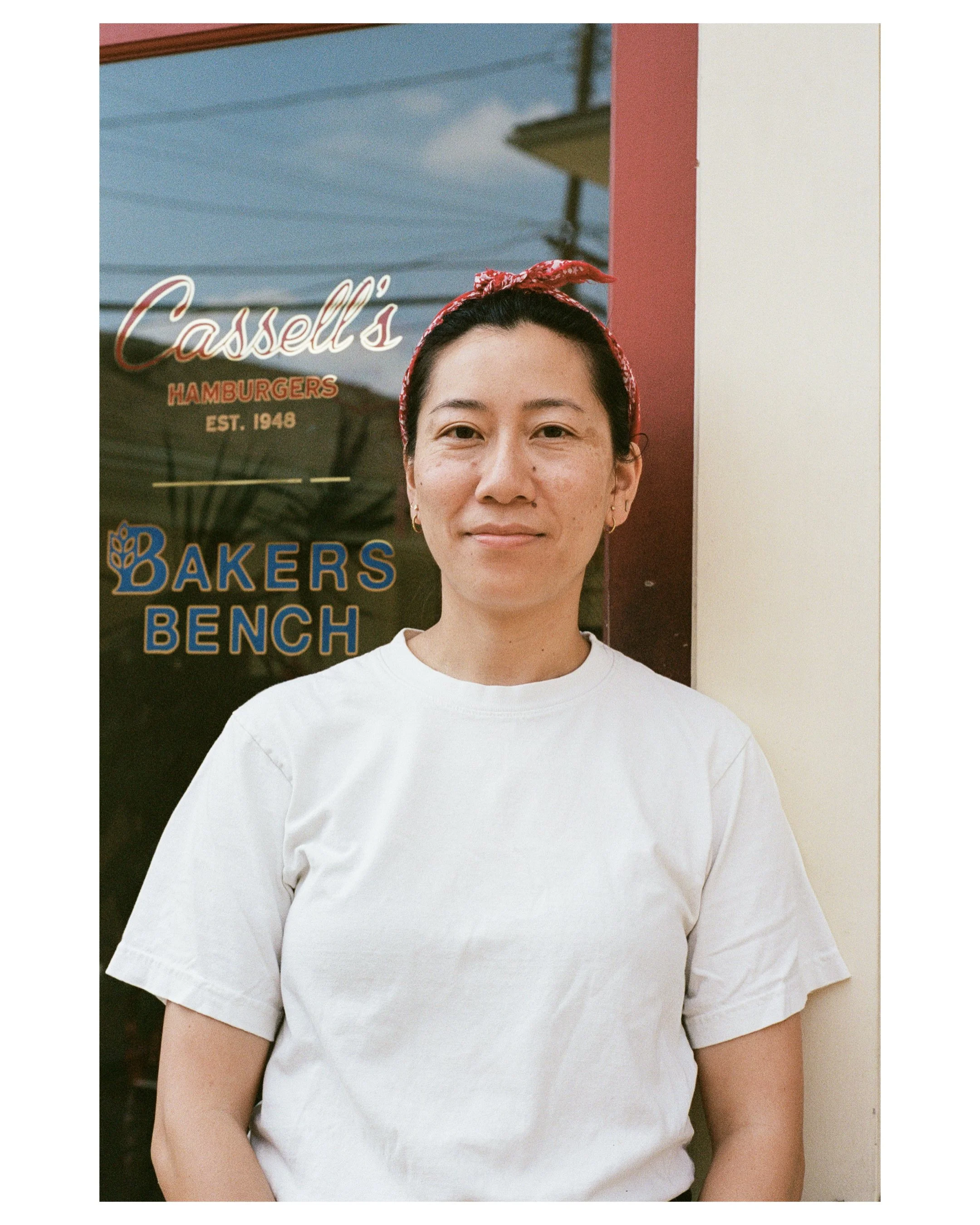
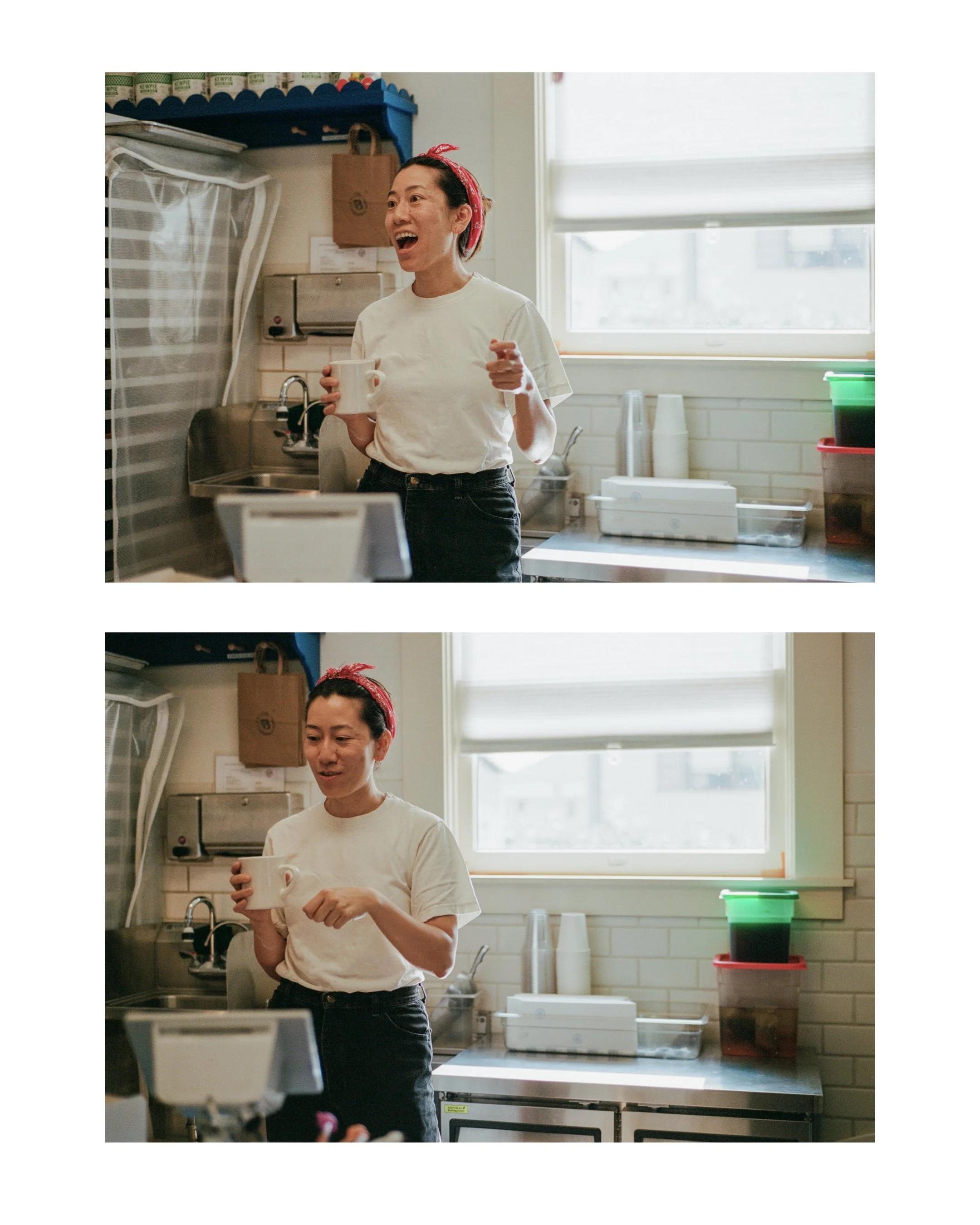
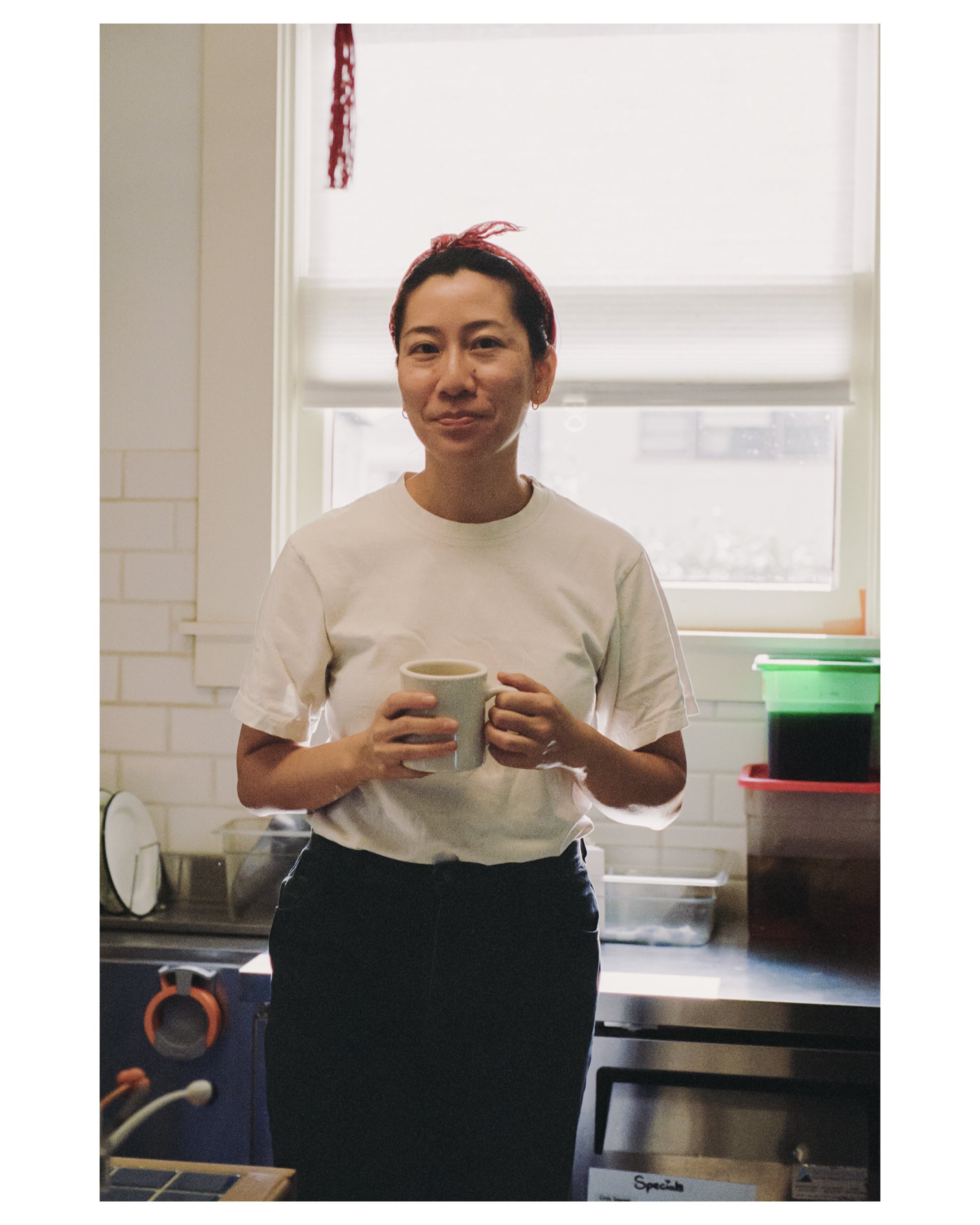
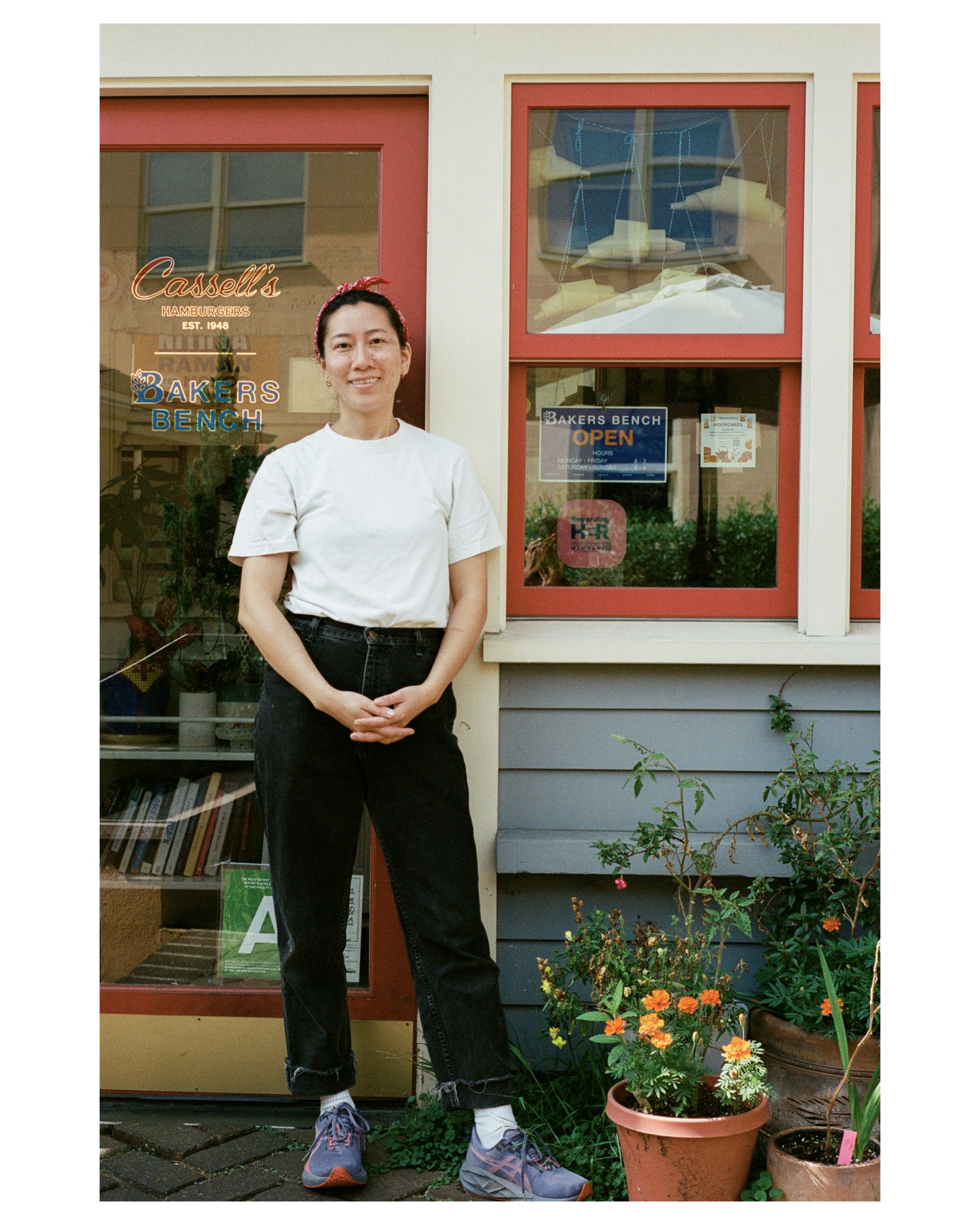
Yee intentionally picked the Chinatown area as the home of her bakery, wanting the community to feel a connection to her creative takes on traditional flavors. A year into having her storefront, Yee moved up the hill from her bakery and became a resident of the area herself.
Yee is aware of her position as a newcomer to the neighborhood.
“There was a lot of gentrification talk when the bakery first opened up here,” says Yee. “I understand why people would feel that way, but it was important to me that when we opened the bakery here, nobody felt like they were being forced out. I care about the neighbors.”
For Yee, new developments should do more than just bring people into a neighborhood. They should also benefit people who live there. That’s why Yee lets customers who can not afford cellphones use her landline, local running clubs start and end their Sunday morning jaunts at her bakery, and opens her space up for community events like book clubs and mooncake workshops. As both a business owner and resident, Yee feels a responsibility to the people around her.
She has made intentional efforts to build a sense of camaraderie with her neighbors by attending neighborhood meetings. There, Yee has learned about residents’ hopes for improving their quality of life. They want a large grocery store that will increase access to fresh, healthy produce, more trees to shade pedestrians, and greater protection for their neighborhood parks. These meetings reinforce calls for a neighborhood and its developments to better serve the people who live in it.
Against this backdrop, the proposed gondola connecting Union Station to Dodger Stadium is a point of contention for Yee and her neighbors. Is this mode of transportation one that will improve access to their neighborhood in a meaningful way? And does it serve the residents who live there?
For Yee, who is adamantly against the gondola, an answer to improved accessibility and transportation is better found on the ground level.
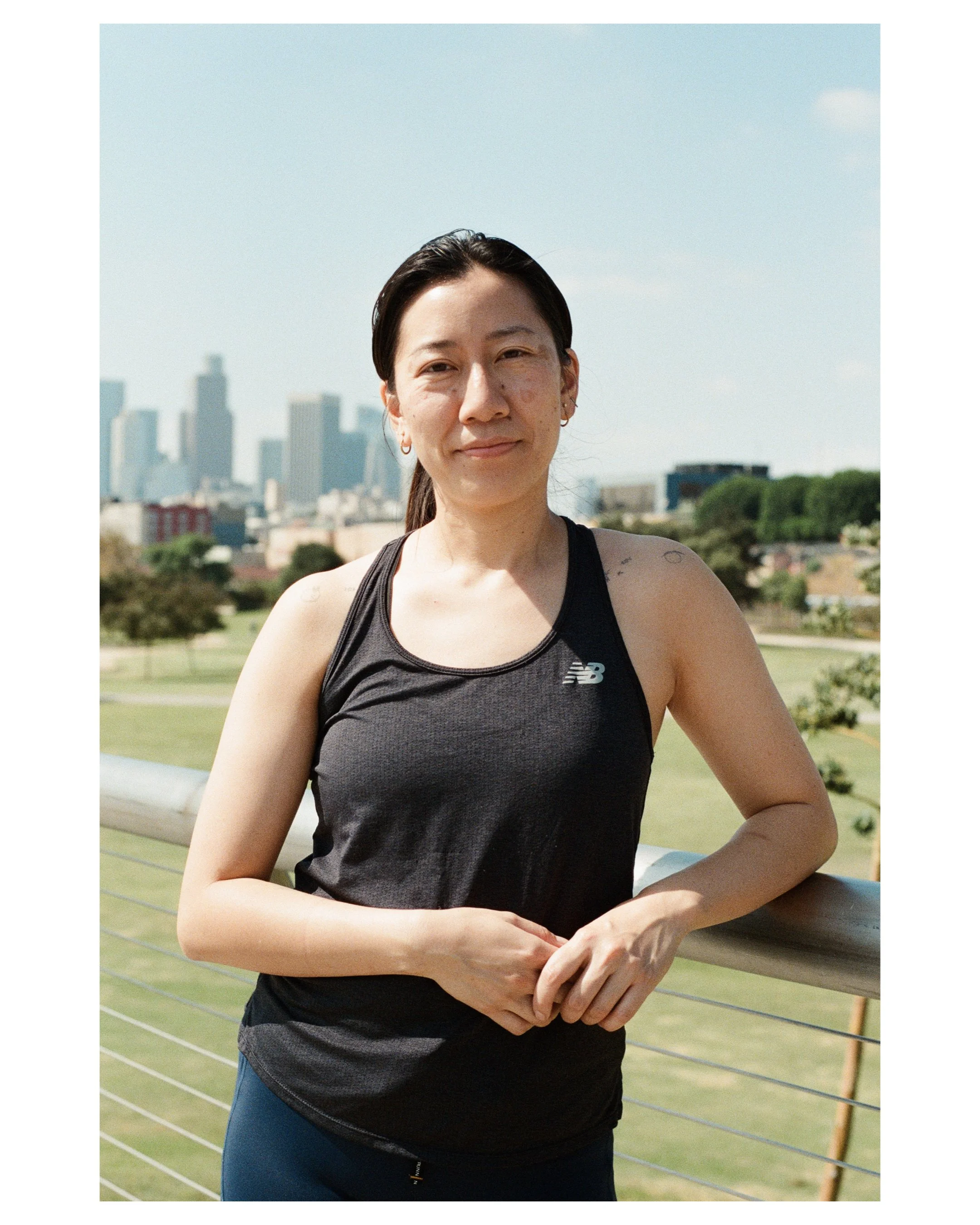
She wants her neighbors to have more agency and freedom in their neighborhood. LA State Historic Park is one example of what that can look like: an open space where people can move their bodies safely and comfortably.
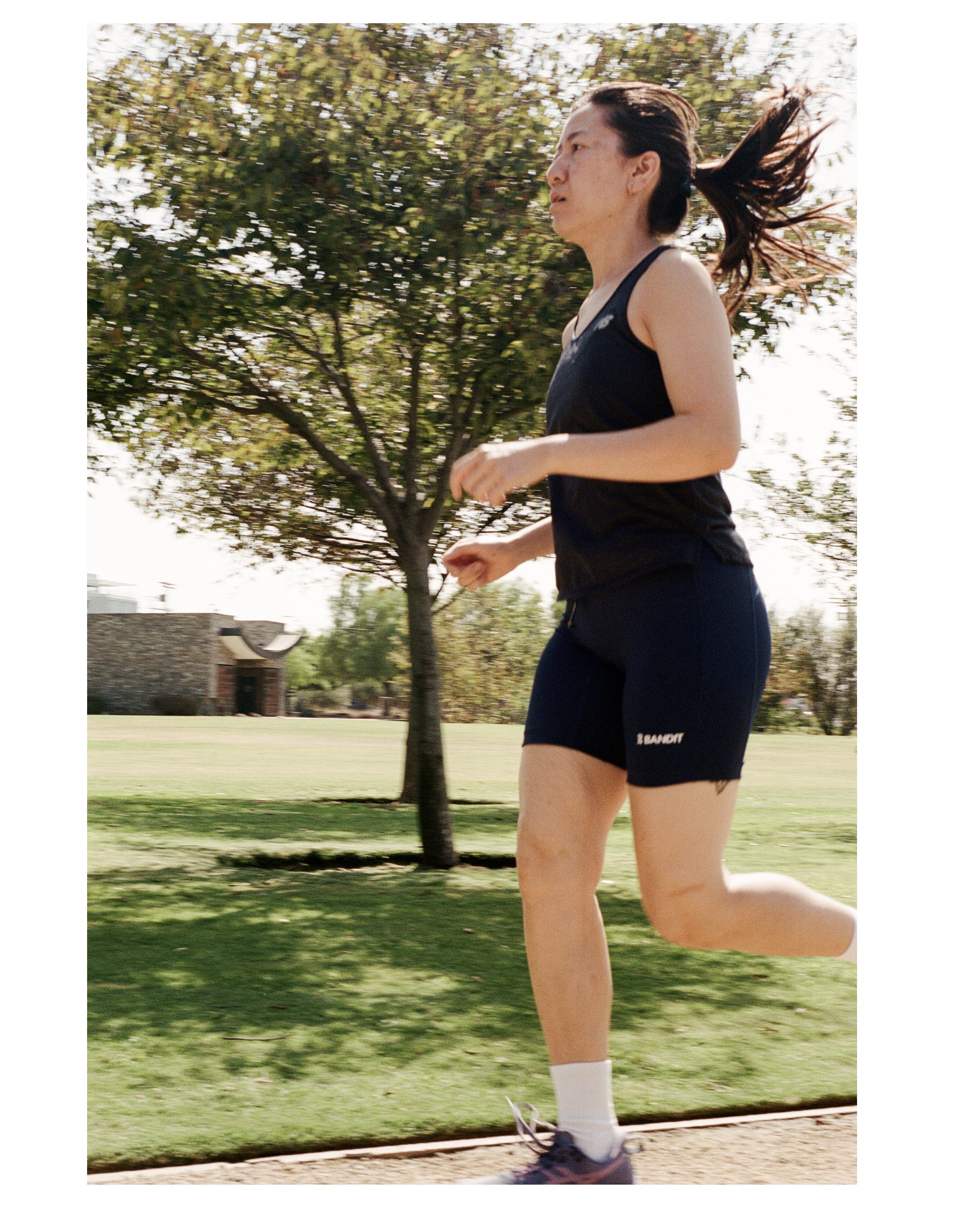
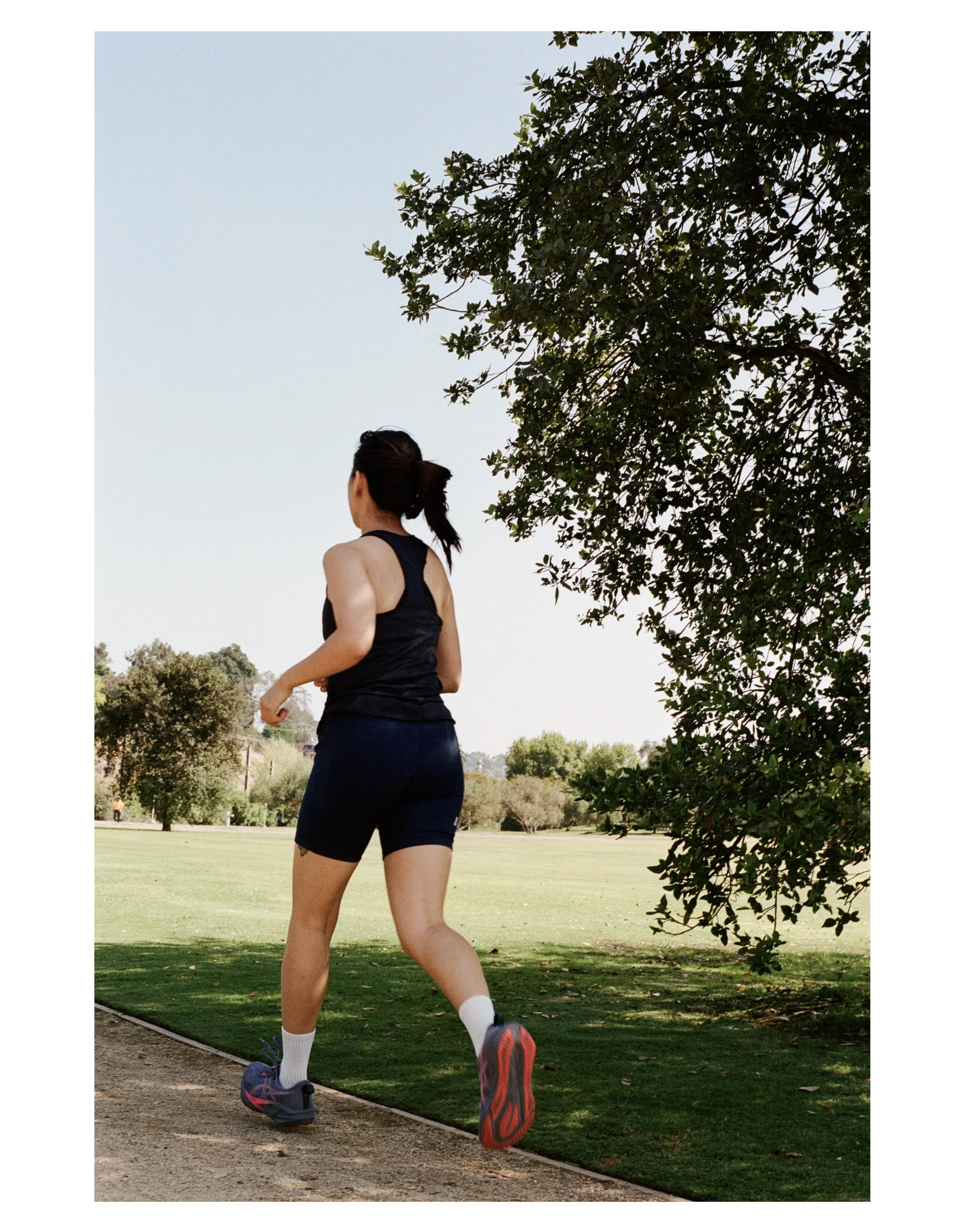
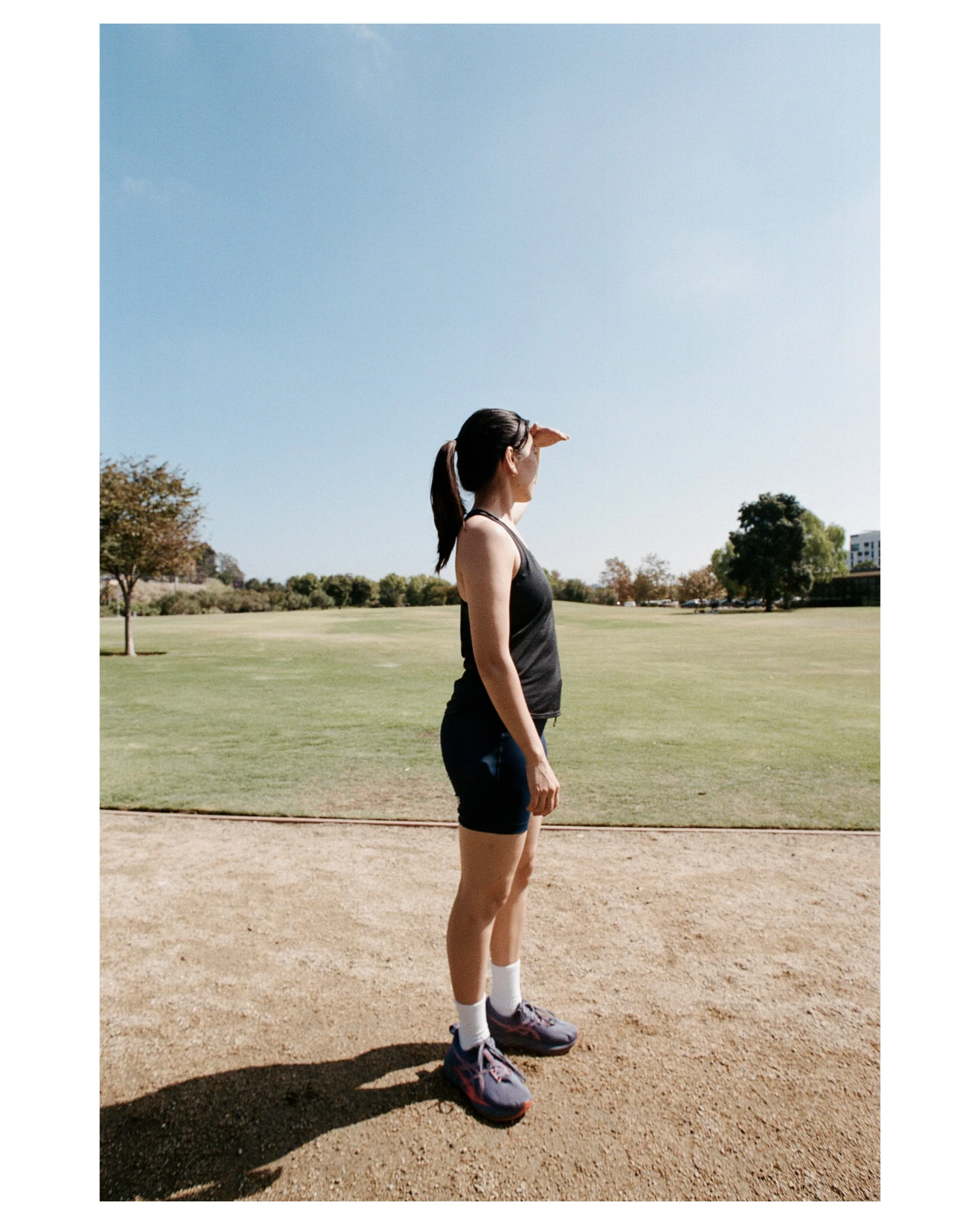
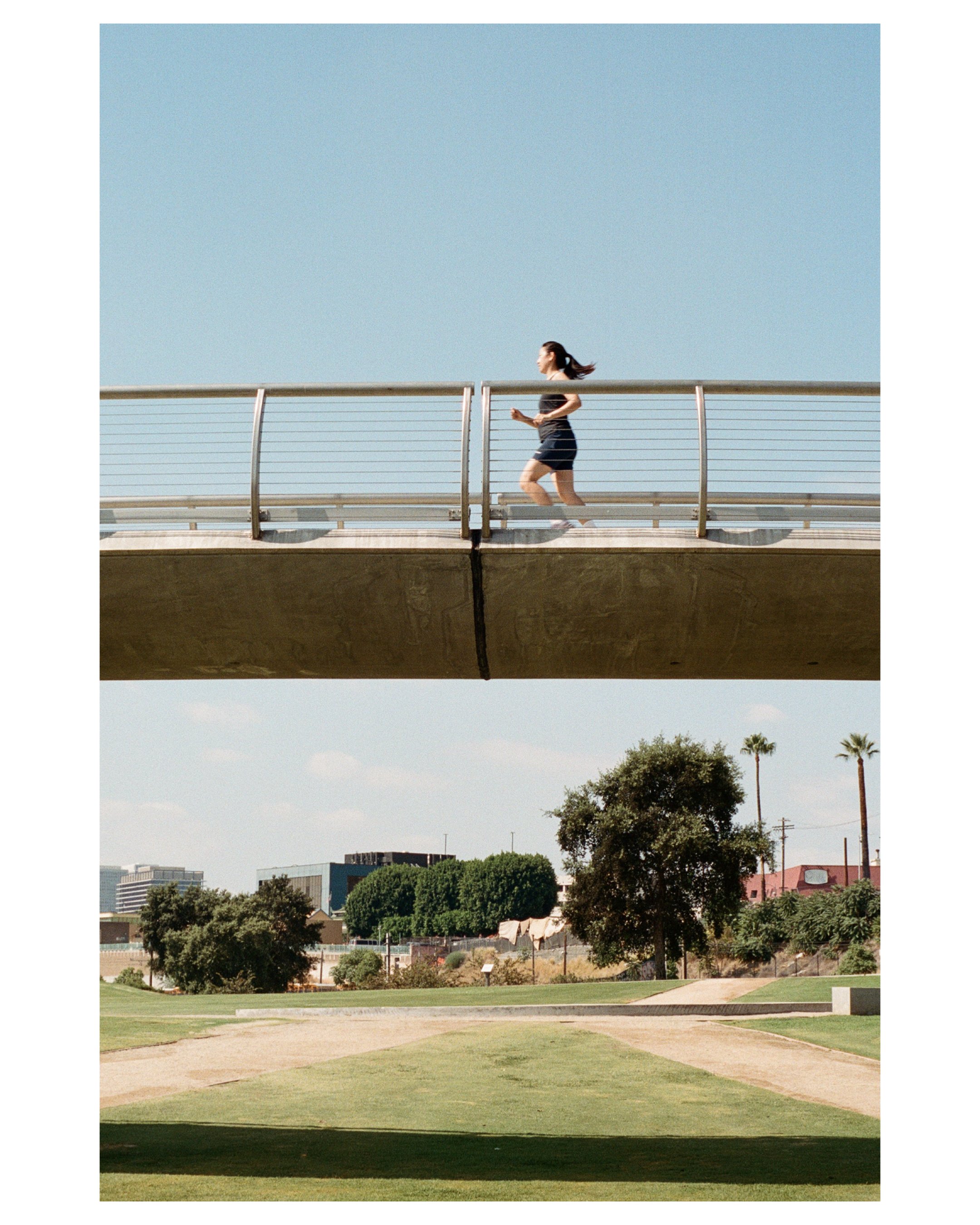
After a day's work, dealing with the stresses of managing her bakery, Yee can often be found outside running.
“It's just better for me to run in a park,” says Yee. “I don't have to worry about cars and traffic, and it's public. There's always people there and I feel very safe.”
The park provides a safe haven for runners in the area. Its wide, dirt-packed paths are flat and well-maintained, forming a loop just over a mile long. When Yee runs, she takes in the greenery of the park – a contrast to running on city streets, where if you’re not vigilant, uneven pavement and other obstacles could result in an ankle roll, or worse. In a congested urban metropolis, the simple act of moving your body becomes more challenging than one may think.
If the same ease of accessibility and movement found in the park was applied to the streets of Chinatown, Yee thinks that walking paths could be a preferred method for getting to Dodgers Stadium. Better pedestrian infrastructure is an improvement that can benefit both visitors, business owners, and residents alike.
“As more people walk to the Dodger stadium, they're going to see how beautiful the city is. They're gonna see how beautiful these neighborhoods are. They're going to come and spend their time in Chinatown and patronize the small businesses."
It is Yee’s position that walking through a neighborhood allows you to build an appreciation for it. All the glimpses of culture and character tucked in the crevices of a neighborhood – from the small storefronts to the vibrant community – would surely be missed from the window of a gondola, flying over the neighborhood. From that perspective, Chinatown becomes a landscape to look at rather than a place to engage with.
Somewhere in the gray, Yee occupies a position that does not necessarily reject development, but rather questions the opportunity it brings to the surrounding community. As a business owner, the gray can mean balancing self interest with that of the larger community. Maybe moving out of the gray is realizing that those two are largely one and the same. For Yee, the future of Chinatown is not just about bringing more customers in. It is about creating a place, for both residents and visitors, to stay, explore, and return to – by investing in the streets of a neighborhood not above it.