Tany and Phyllis Ling
How to be Better Neighbors
Written and photographed by Robin Fong
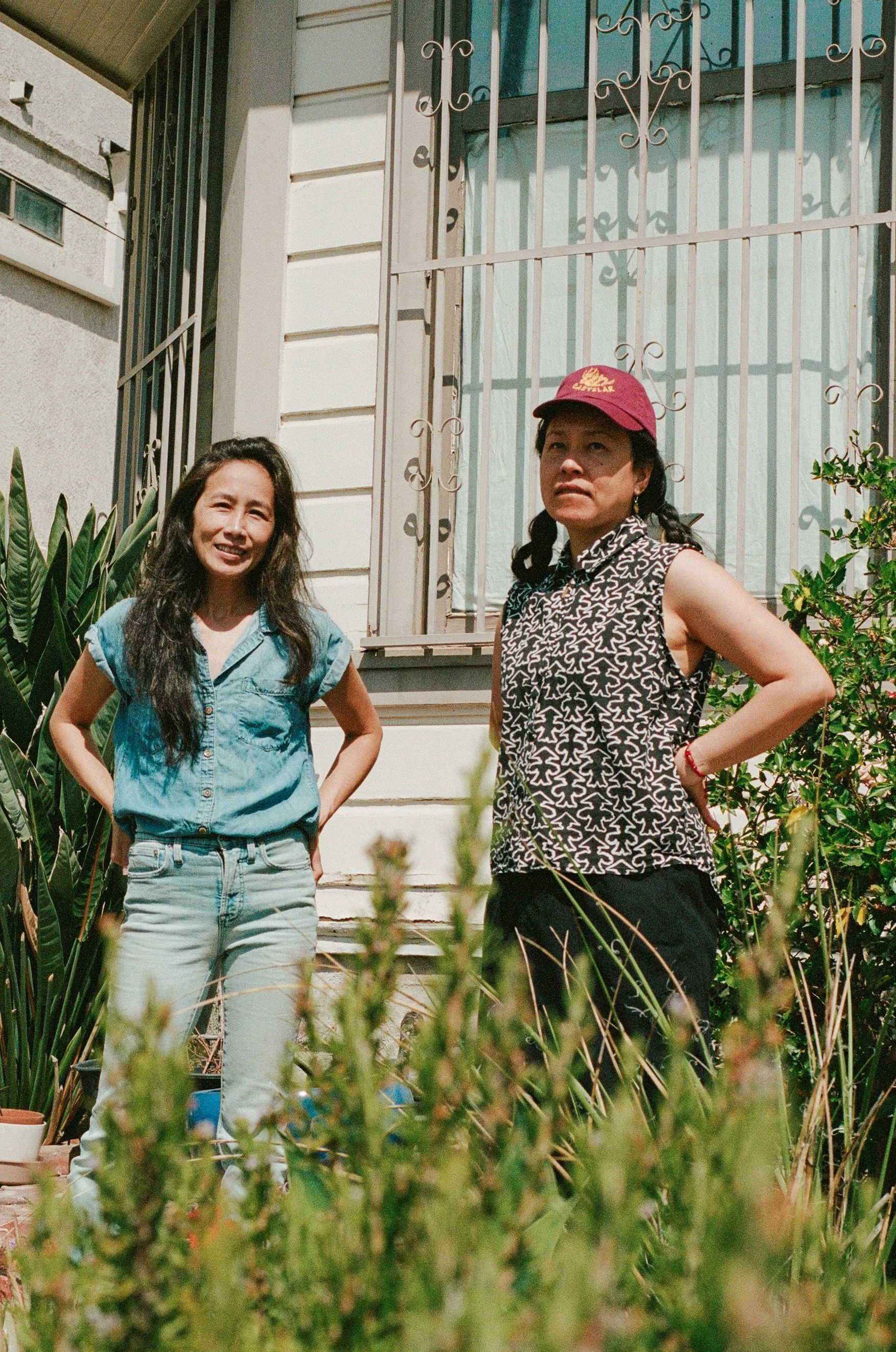
“I always felt like this was a neighborhood that we chose, it did not choose us,” says Phyllis Ling.
Tany and Phyllis Ling moved to Chinatown, Los Angeles, together in 2012, conscious of their identities as transplants. The Ling sisters’ transition from outsiders to community members was not immediate. Instead, it was a process that required intentionality, patience, and a willingness to learn about the people around them.
Being woven into the fabric of a community starts with intertwining yourself with its individual threads. Tany first became acquainted with her next-door neighbors while redoing the landscaping in the front yard of their house. The frequency with which she was outside made her a familiar face– and eventually a familiar name–among her neighbors. Phyllis found her place in the community by attending neighborhood council meetings, where local residents gathered to voice their concerns.
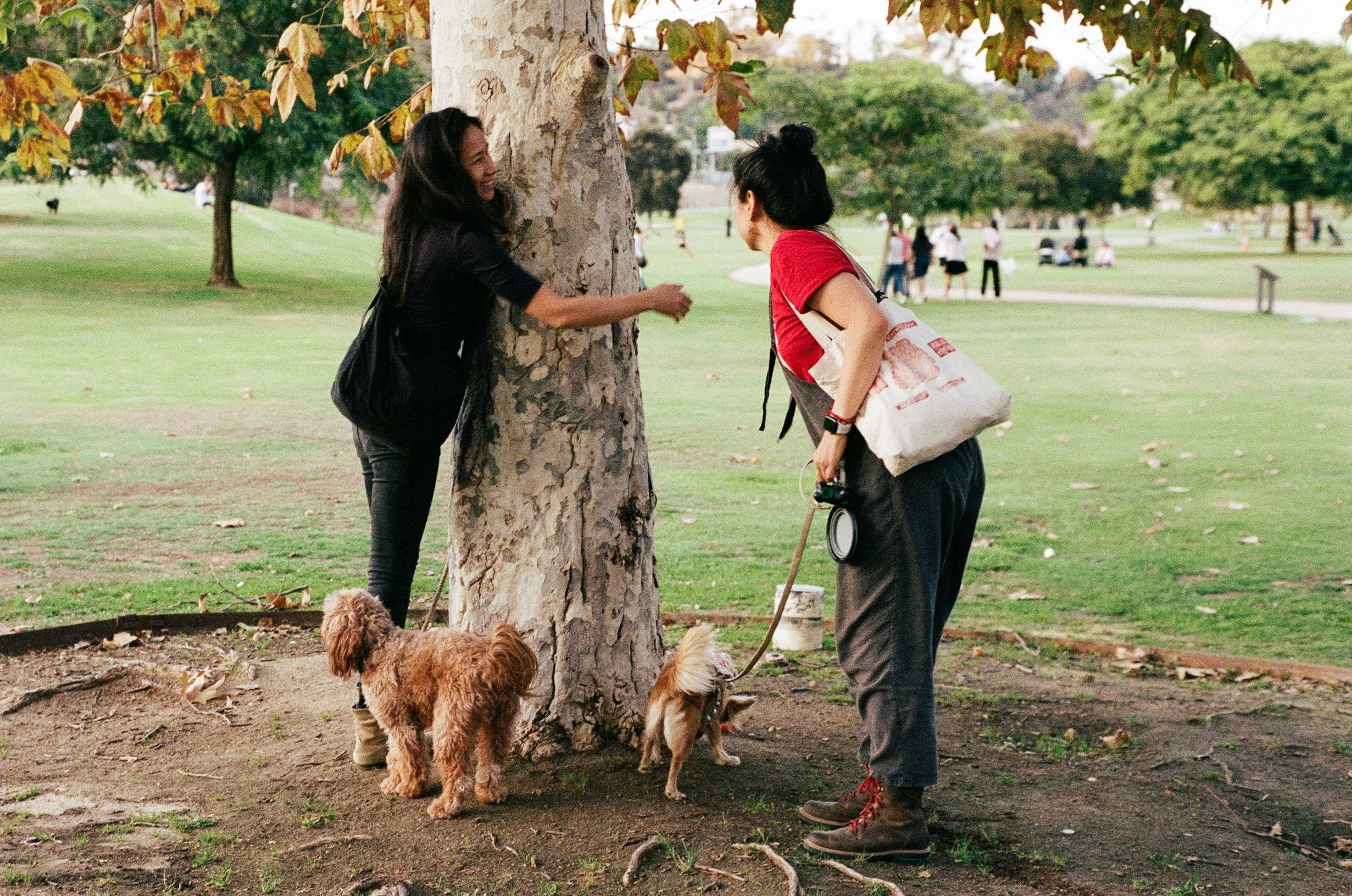
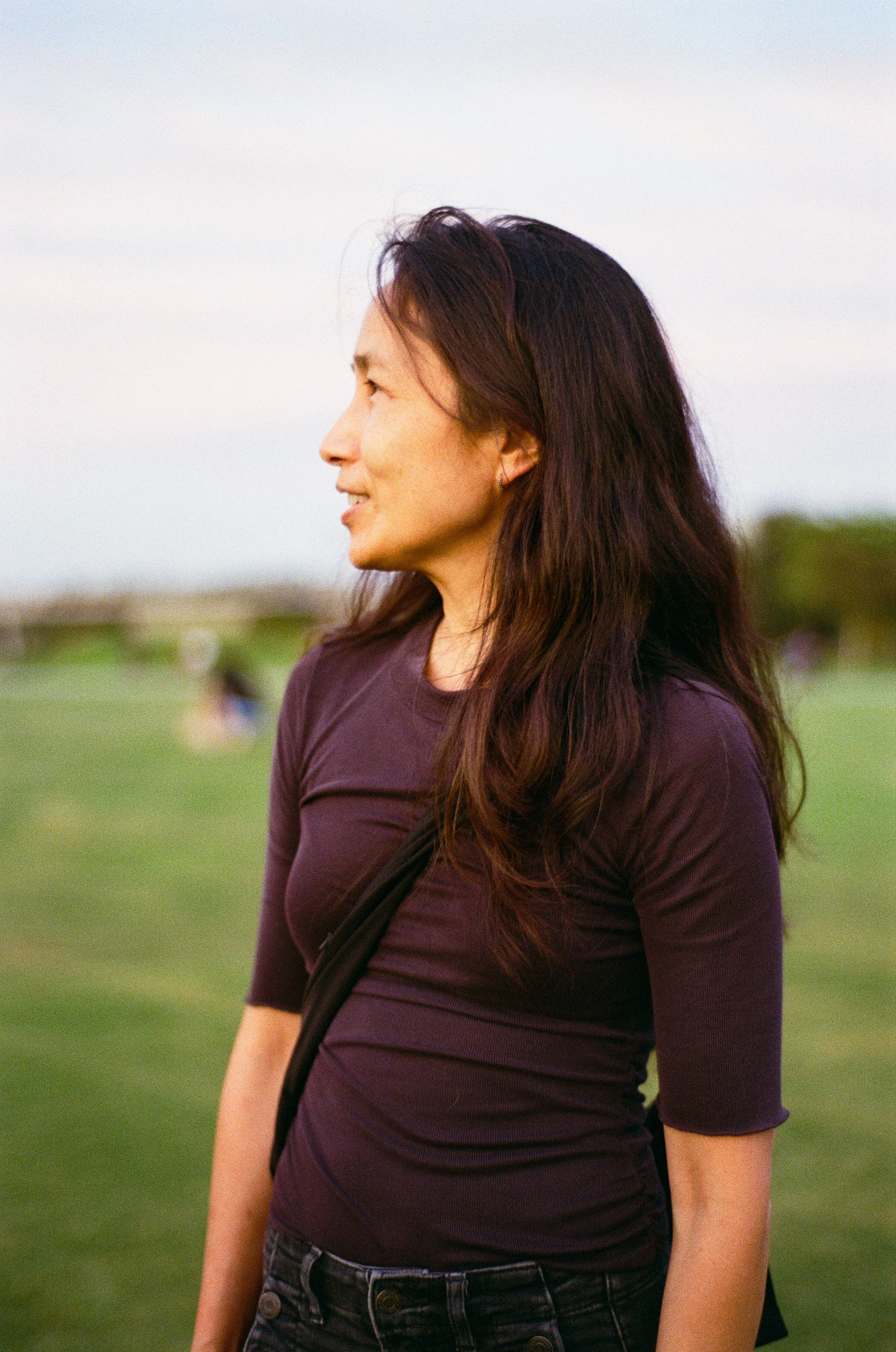
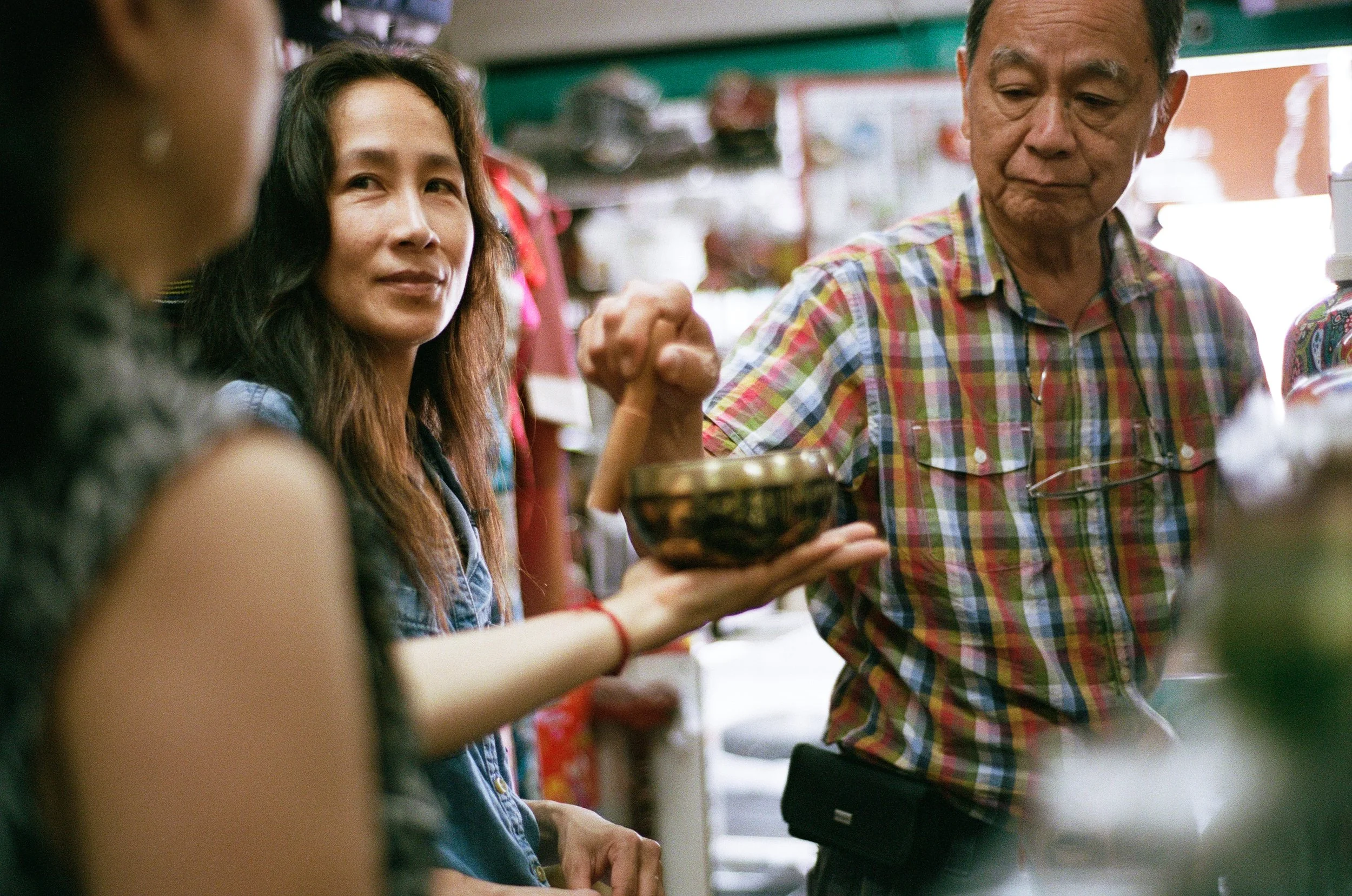
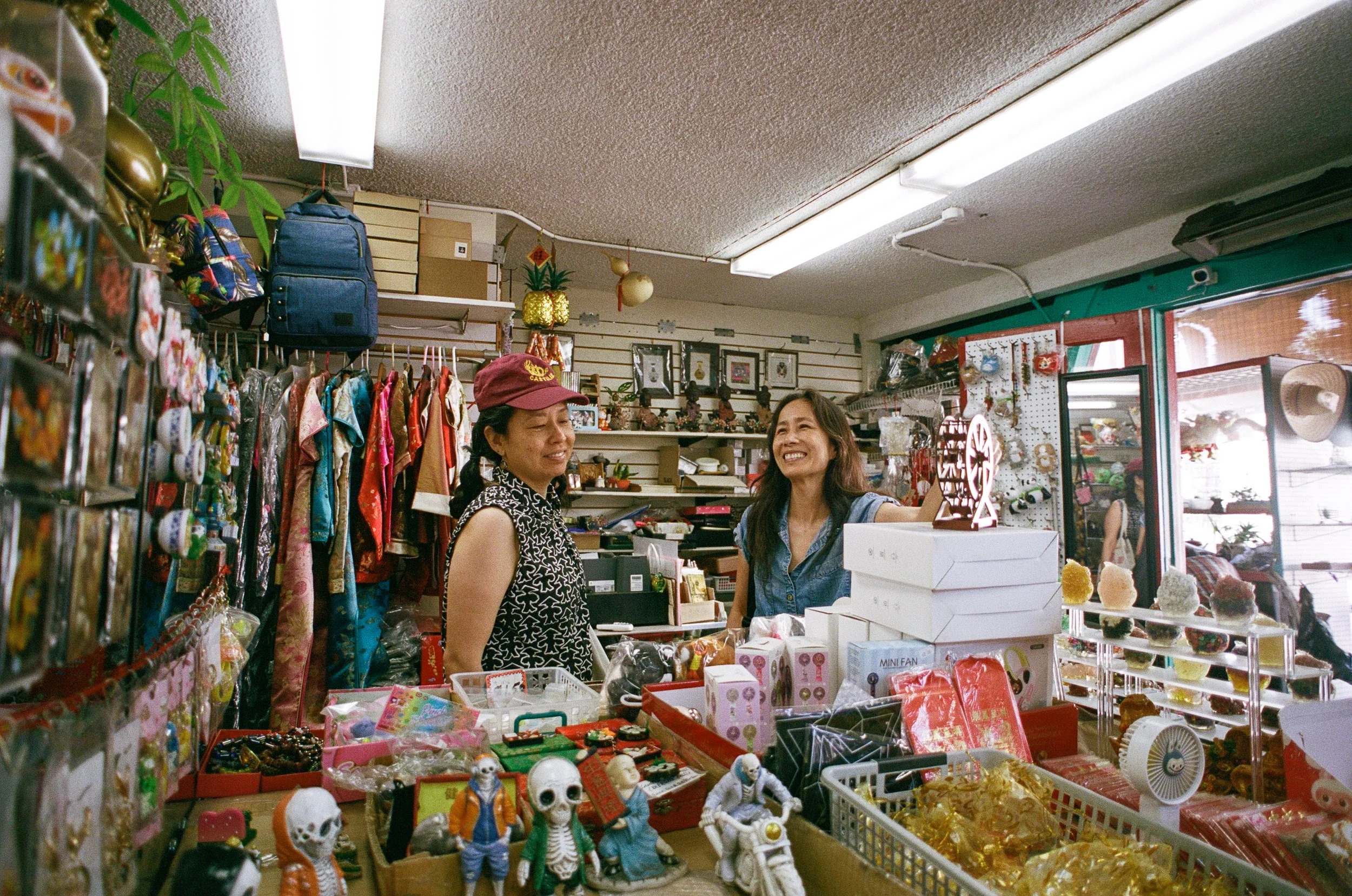
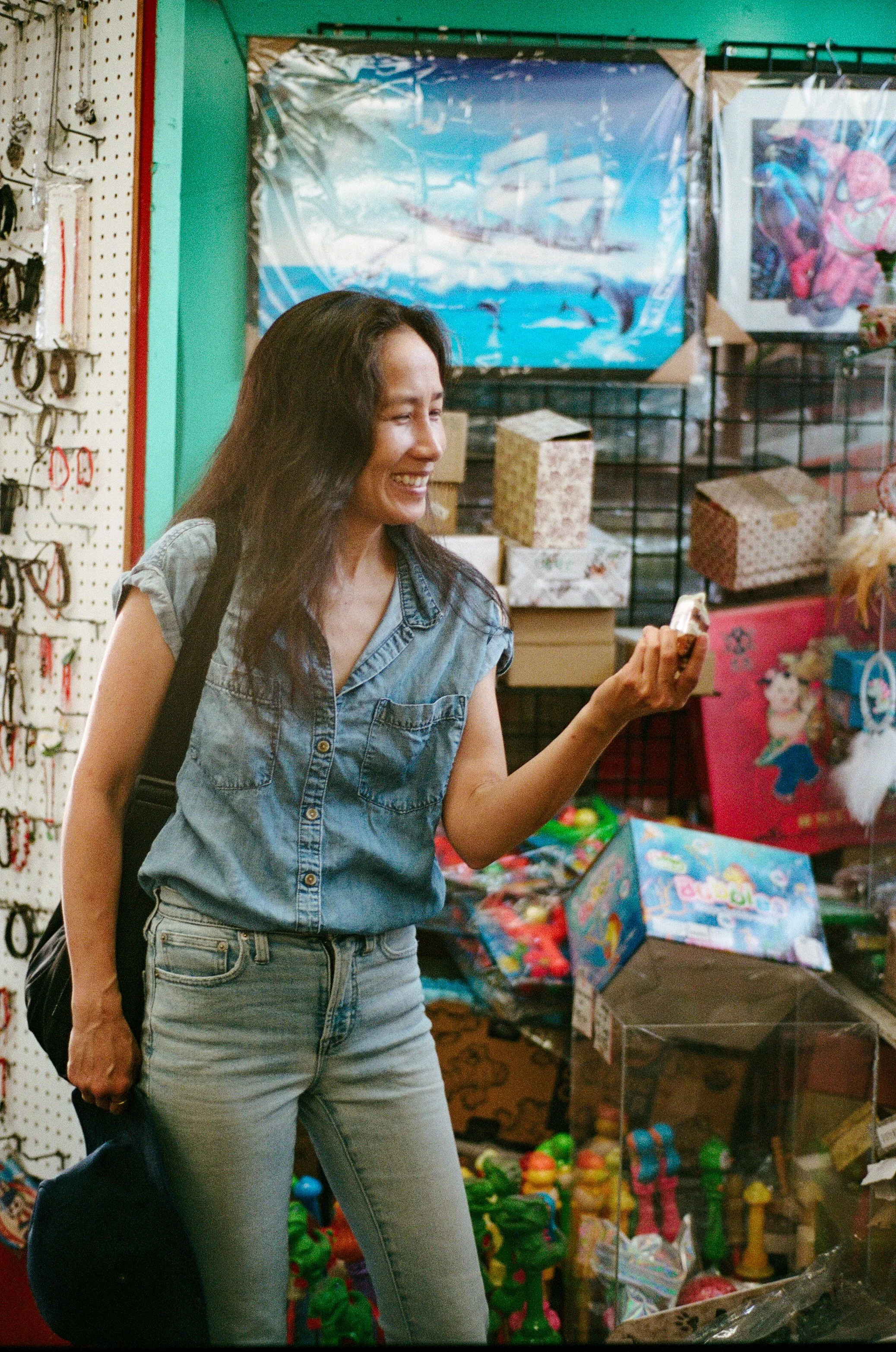
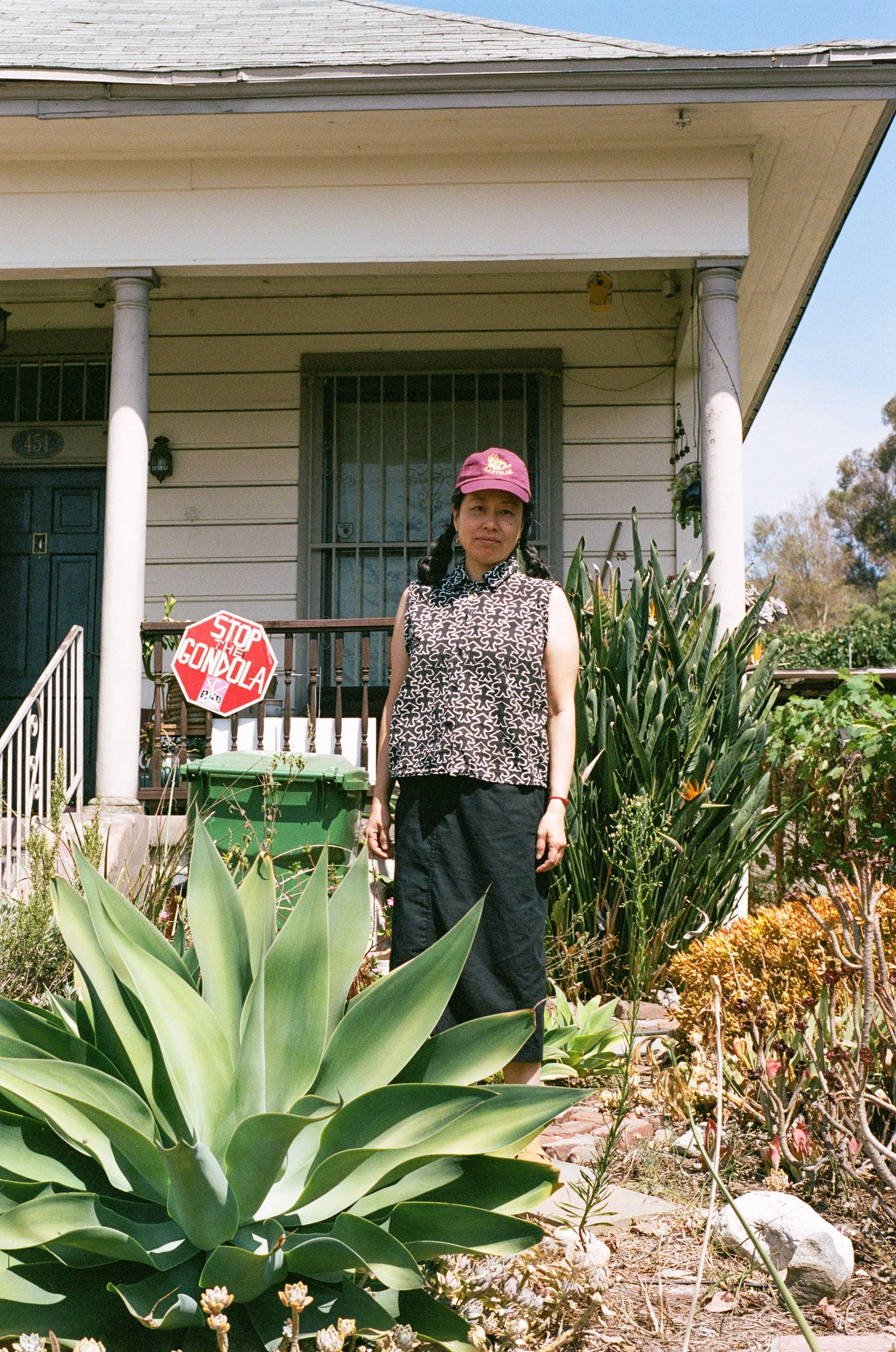
Over time, these small events accumulated. Participating in trash cleanups, patronizing local businesses, volunteering in informal neighborhood watches, and even devoting part of their mornings to helping an elderly neighbor safely cross the street became a consistent rhythm of showing up for the people around them. Through this buildup of repeated intention, Tany and Phyllis gradually braided themselves into the fabric of Chinatown.
When you become a part of a neighborhood, make it a place of belonging, you begin to think of its future as your own. You begin to notice which developments are a benefit to the community and which cause harm. For Tany and Phyllis, the creation and preservation of LA State Historic Park (LASHP) represented the type of development they welcomed in their neighborhood: a place that brought people together.
“I started going to the park more regularly during COVID. The park was a huge deal when all that went down because we were so isolated,” says Tany.
LASHP has become a place of gathering for the sisters, deepening their relationship with the people who visited it.
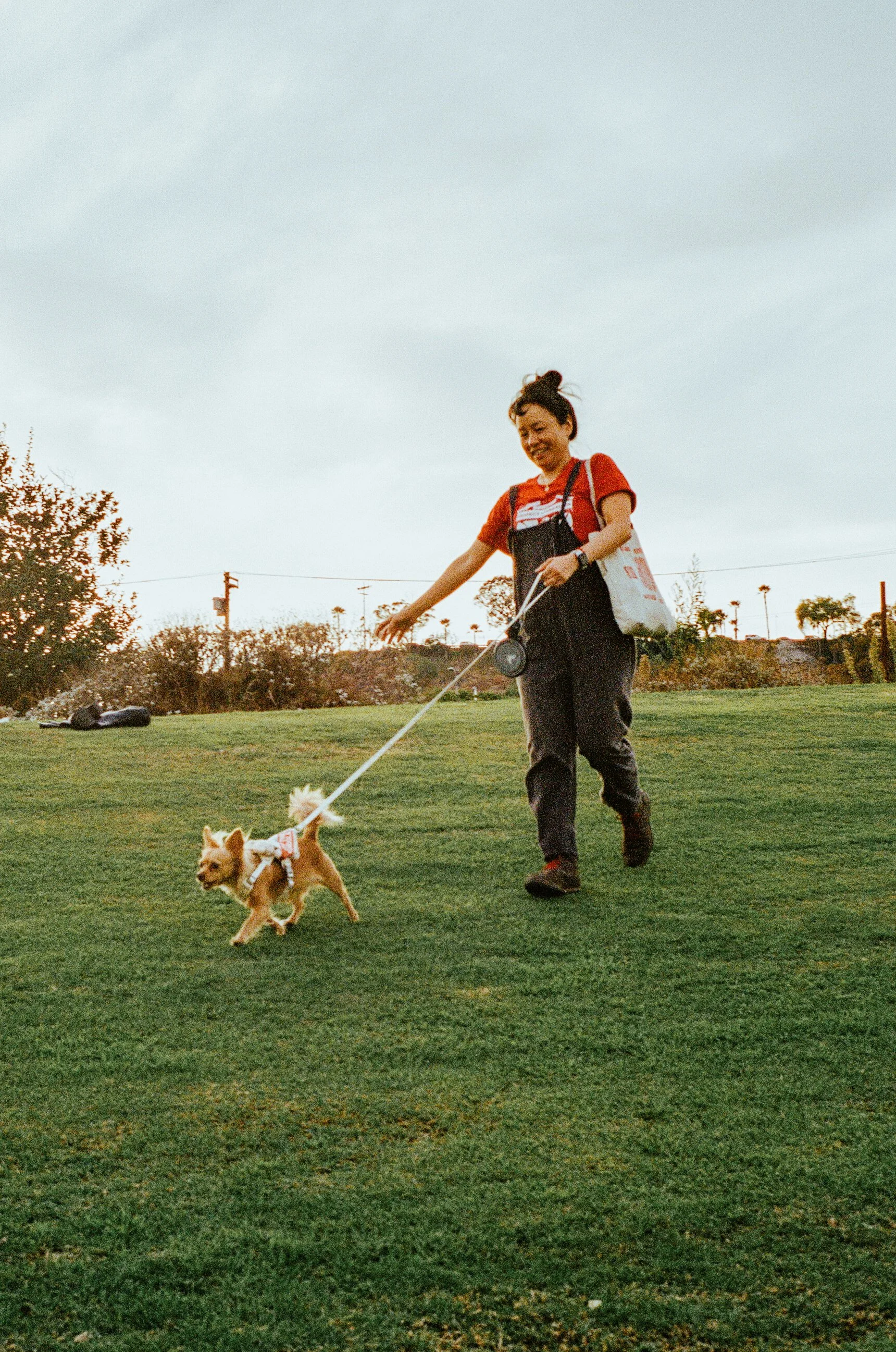
“I am watching dogs all the time for my job. The park is a really great place when you need to take your dog for a walk,” Phyllis chimes in.
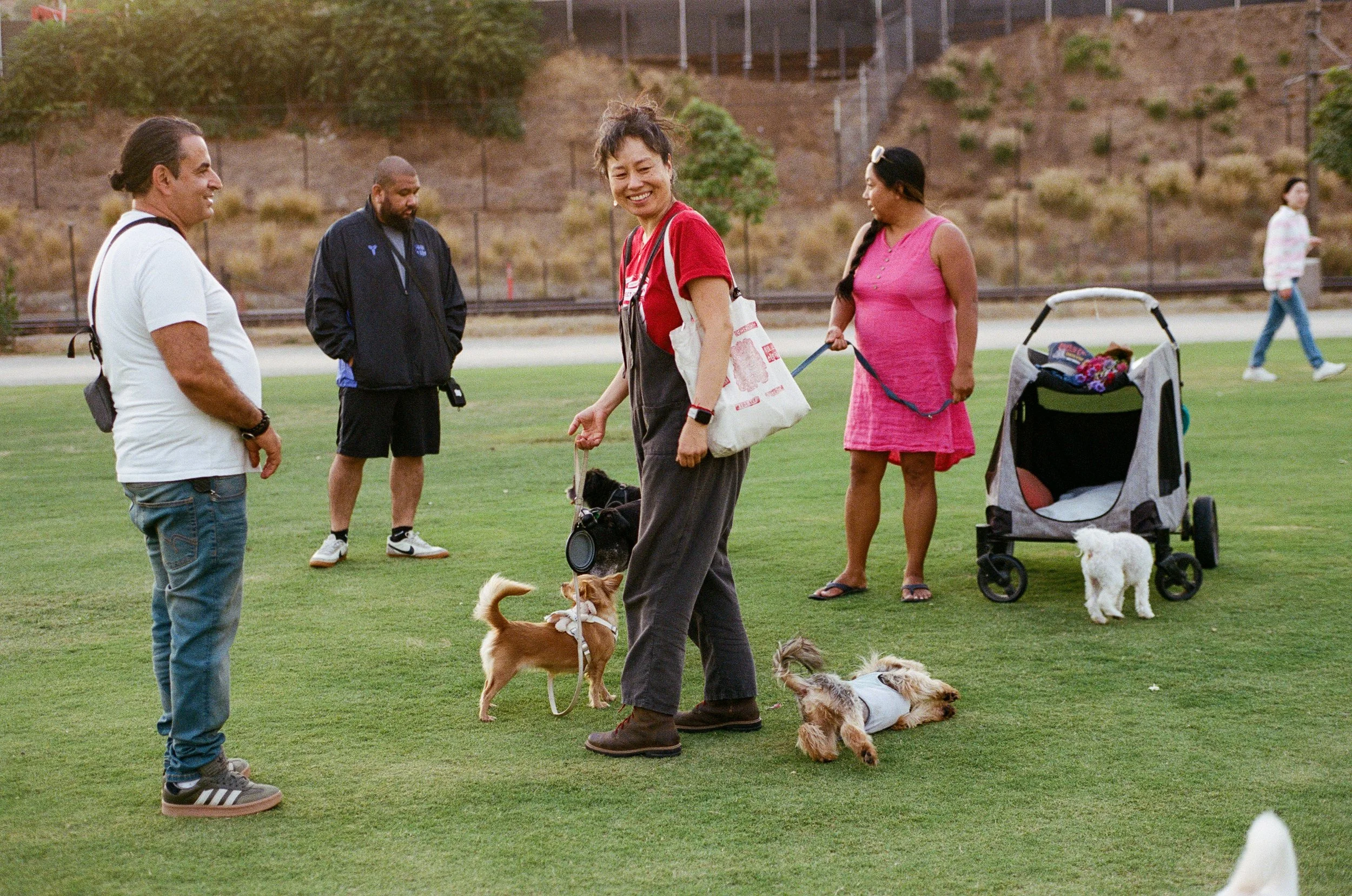
On most weekday evenings, a group of dog owners can be found in LASHP, mingling among themselves as their dogs roll around on the park’s expansive green lawns. Phyllis and Tany are regulars at these massive dog playdates. Lately, much of their conversations with fellow dog owners has been about a gondola project, proposed to be built above the park and Chinatown neighborhood.
The sisters first heard of the gondola when it was announced in 2018. Then, in 2020, the Metro Board held an online information session, where they learned about the intermediary station planned to be built right across from their house. Through the window of their living room, there would be a gondola tower blocking what is currently a view overlooking the neighborhood they have spent years building connections in. The project would also take land from their beloved park and have gondola cars flying as low as 26 feet above the ground.
For the sisters, the information session made it apparent that the gondola was a threat to the place and community they have come to call home.
“The next morning [after the info session], she bought stopthegondola.org, the domain name,” Tany says, pointing to her sister.
Today, the Ling sisters are leaders in Stop the Gondola, a coalition dedicated to fighting against the proposed development project. What began as a website has now grown into a nearly six-year battle of community engagement and organizing. Much of their time is now spent in the park, speaking with visitors and raising awareness about what they believe is at stake.
“Every single first-time visitor who comes to the park is wowed and quiet and can’t believe that the park is there… We need to maintain the state park the way it is,” Tany advocates.
The fight to stop the gondola has required sacrifices from Tany and Phyllis. Time that was once spent practicing music, attending dance lessons, or simply cleaning the house is now dedicated to protecting the neighborhood and park they have come to love. In many ways, their activism mirrors the same work that first rooted them in Chinatown: showing up, paying attention, and taking responsibility for the place they call home.
“We don’t want to be treated like we are disposable. We live here. This is our home,” Tany says as her sister nods in agreement.
For Tany and Phyllis, being a neighbor has become more than just simply living in a place. It means building relationships with the people around you and being invested in what happens next. What began as carving out a place of belonging, has turned into a commitment to protecting the community that welcomed them in.
The Ling sisters’ sense of belonging was not given, but built, thread by thread, neighbor by neighbor.